Skip to content
Sale!

Kubota 05 Series 1996 Workshop Manual – OEM Factory Service Data

Original price was: $37.20.Current price is: $30.00.

OEM 1996 Kubota 05 Series Diesel Engine Workshop Manual – 124 pages, factory specs, torque tables, and full servicing procedures.

Kubota 05 Series 1996 Workshop Manual – Factory Data for Diesel Engine Repair
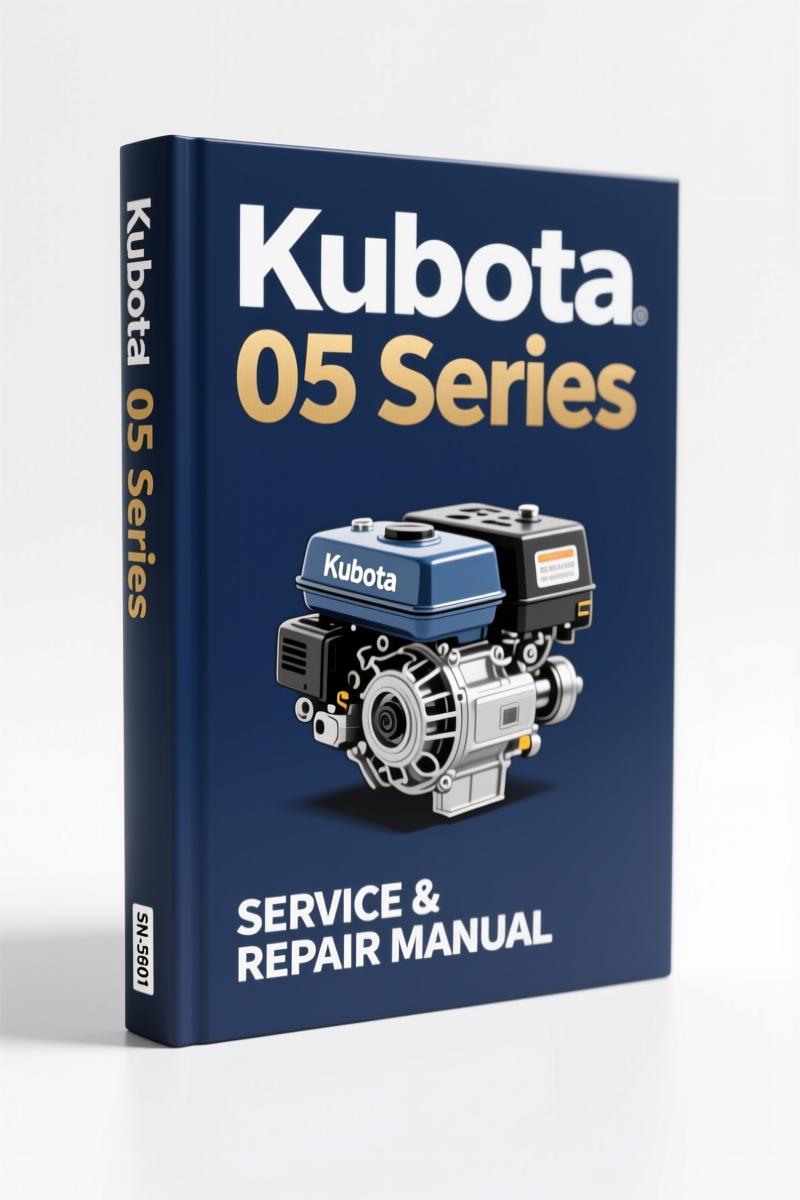
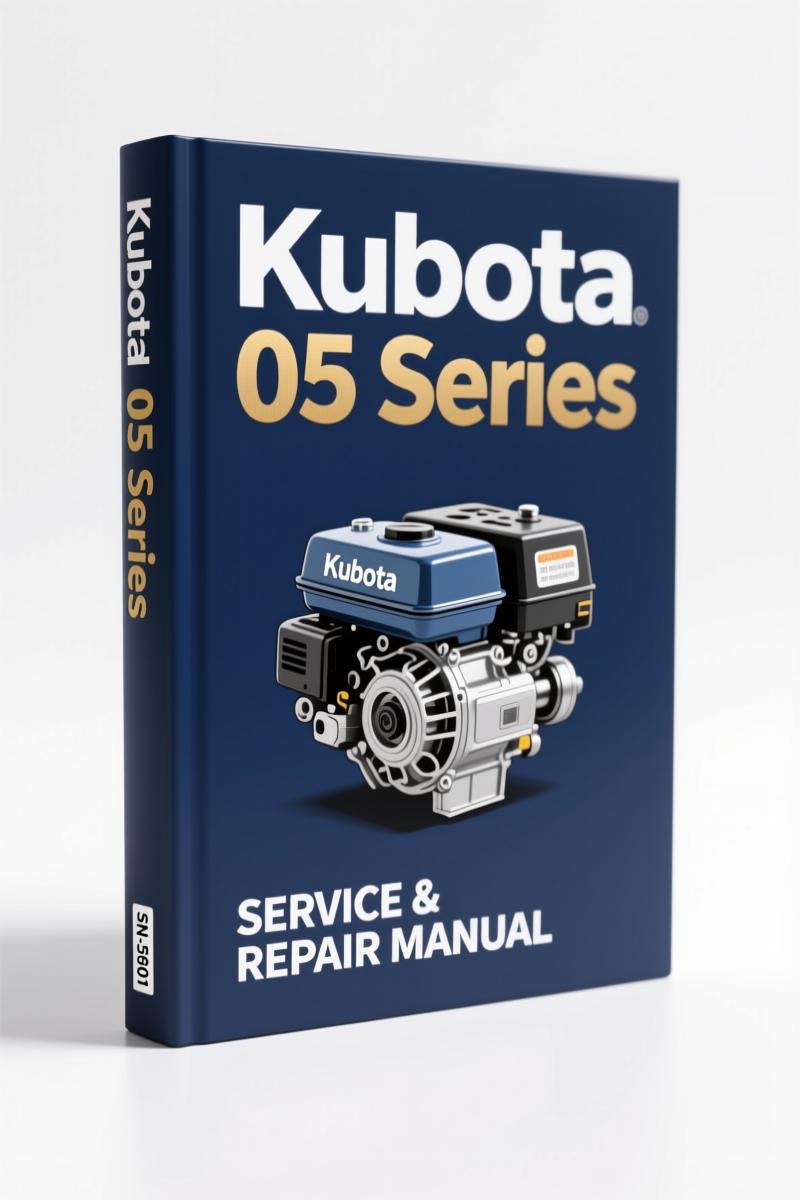
Kubota 05 Series 1996 Workshop Manual factory service manual cover

Working on a Kubota 05 Series diesel engine without the factory manual is like trying to hit a torque spec with a pipe wrench — you might get close, but you’ll probably break something. This is the original 1996 Kubota 05 Series 1996 Workshop Manual from Kubota Corporation, not some digitized aftermarket copy. It runs 124 pages and covers every system: engine body, cooling, fuel, electrical, lubrication, intake/exhaust, and turbocharger. The first section is “Safety First” — don’t skip it. I’ve seen guys get hurt because they didn’t disconnect the battery negative cable before starting work. The manual tells you exactly that on page 3.

You want to pull the cylinder head? You need the tightening torque sequence. That’s in the “Engine Body” section under “Servicing”, page 26. The specs are for the 05 Series engines built from 1994 onward — the clean exhaust models. If you’ve got a D1302 or similar, this is the book.

Yes, it covers the turbocharger too.

Engine Body Disassembly and Servicing

This manual breaks down the engine body into steps: drain water and oil, remove external components, then cylinder head and valves, gear case, piston and connecting rod, flywheel and crankshaft. Each sub-section has checking and adjustment procedures before disassembly. For example, the “Checking and Adjusting” part tells you how to measure valve clearance and what the spec is. After disassembly, the “Servicing” section covers cylinder head, timing gear and camshaft, piston, connecting rod, crankshaft, and cylinder. You won’t need to guess clearances — they’re listed. For a more detailed walkthrough, check KUBOTA 05 Series Diesel Engine 1996 Workshop Manual.

Cooling System Checks: Fan Belt and Radiator

The cooling system chapter has a “Checking” section for fan belt tension and radiator condition, then “Disassembly and Assembly”. If your 05 Series engine is overheating, start here. The manual tells you the belt deflection spec — not a “tight enough” guess. This is where OEM data saves you from warping a head.

Fuel System Adjustments – Injection Pump and Nozzle

Injection timing and nozzle pressure are critical on these diesels. The Fuel System section covers checking and adjusting the injection pump and injection nozzle, then disassembling and assembling them. You get the factory injection pressure and timing marks. If you’ve ever had a Kubota that won’t start or runs rough, this section is where you’ll find the fix. For related loader engine work, see Kubota R420B R520B Workshop Manual – Factory Specs for Wheel Loaders.

3 Safety Warnings You Need to Read First

The manual’s “Safety Instructions” page lists a DANGER, WARNING, and CAUTION hierarchy. One: don’t start the engine by shorting across starter terminals — that’s a fire risk. Two: always allow the engine to cool before servicing. Three: clean the work area and engine before starting. These aren’t suggestions; they’re written by the engineers who designed the machine. Manual Transmission theory is one thing, but diesel engine safety is another.

Electrical System: Starter and Alternator Procedures

The Electrical System chapter includes checking the starter and glow plug, then disassembling and assembling the starter and alternator. There’s also servicing procedures for both. If your 05 Series cranks slow, the manual gives you the starter check steps. You’ll need a multimeter — the manual doesn’t assume you have one, but it tells you what to look for. For general electrical theory, Manual Transmission articles won’t help here — stick to this manual.

Why Factory Torque Specifications Are Non-Negotiable

The “Tightening Torques” section in the General servicing part lists every critical bolt torque. Page 26 has the table. Use a calibrated torque wrench, not an impact gun. The manual also includes “Service Specifications” — allowable limits for wear on cylinder bore, piston clearance, crankshaft journal. Aftermarket manuals often round these numbers. Kubota didn’t. This is the same data their dealership techs use. For another related product, see KUBOTA 05 SERIES 1996 Workshop Manual.

One more thing: the manual covers the turbocharger system in its own chapter — checking and disassembly/assembly. If your engine has a turbo, don’t skip that section. Turbo failures often stem from oil contamination or wrong boost specs.

Bottom line: if you own or service a 1996 Kubota 05 Series diesel engine, get the factory workshop manual. It’ll pay for itself the first time you avoid a stripped head bolt or a misdiagnosed fuel issue. Download the Factory Manual now.

Does this manual cover the D1302 engine?
Yes, it covers all 05 Series diesel engines manufactured from January 1994.
Where are the torque specs for the cylinder head?
Page 26 in the Tightening Torques section includes the full table for cylinder head bolts, main bearing caps, and connecting rods. The manual specifies a two-step tightening procedure with a final angle — don’t skip the angle.
Is there a wiring diagram for the electrical system?
The Electrical System section covers component checks and servicing for starter, alternator, and glow plug, but does not include a full wiring schematic. It focuses on disassembly and assembly procedures.
How many pages is the manual?
124 pages, including the mechanism overview and full servicing procedures for all major systems.
Page Count

124

Year

1996

Brand

Kubota

Language

English

Reviews

There are no reviews yet.

Be the first to review “Kubota 05 Series 1996 Workshop Manual – OEM Factory Service Data”

Your email address will not be published. Required fields are marked *

You may also like…

Sale!

Kubota 05 Series 1996 Workshop Manual – OEM Factory Service Data

(2 customer reviews)

Original price was: $61.65.Current price is: $45.00.

Factory Kubota 05 Series workshop manual – 124 pages covering engine, fuel, electrical, cooling, and turbo systems. OEM specs only.

Kubota 05 Series 1996 Workshop Manual

Kubota 05 Series 1996 Workshop Manual is what I keep within arm’s reach of my tool box. Twenty-eight years turning wrenches—I’ve seen too many aftermarket reprints that fudge torque values or skip safety warnings. This is the real deal: an OEM print from Kubota Corporation, dated May 1996, and it runs 124 pages of factory procedures. No third-party guesswork. You want the correct spec for the injection pump timing on a V1902? It’s in here. Need the fan belt tension for the cooling system? Page 73 has it—exactly as Kubota intended.

Kubota 05 Series 1996 Workshop Manual – OEM factory service manual cover showing engine cutaway

Kubota 05 Series 1996 Workshop Manual: What You Get

Section one of the manual is “To The Reader” and “Safety First.” I don’t skip that part—neither should you. Then comes “Specifications” with the hard numbers: displacement, firing order, oil capacity. After that, the “Mechanism” section breaks down each system: Engine Body, Lubricating System, Cooling System, Intake/Exhaust, Fuel System, Electrical System, and Turbo Charger System. Each subsection explains how the component works before you touch a wrench. That’s not fluff—that’s knowledge that keeps you from breaking a glow plug socket.

The second half is “Servicing,” which is where the real work happens. It opens with General: Identification, General Precaution, Tightening Torques (page 26), Troubleshooting, Service Specifications, Maintenance Checklist, Check and Maintenance, and Special Tools. Then each system gets its own deep dive: Checking and Adjusting, Disassembling and Assembling, and Servicing. For the engine body alone, you get cylinder head removal, piston and connecting rod work, gear case, flywheel, and crankshaft. Every step is sequenced, with torque values listed right where you need them. I’ve used this manual to rebuild a V1902 from the crank up—nothing was left out.

Engine Body Servicing: Disassembly and Assembly

The engine body section starts with draining water and oil. Then external components come off—alternator brackets, injection pipes, intake manifold. Cylinder head and valves: the manual calls for loosening bolts in stages, in the order shown. I’ve seen techs skip that and warp a head. Gear case removal shows the timing marks clearly. Piston and connecting rod: measurement of ring gap, side clearance. Flywheel and crankshaft: end play specs. If you’re pulling the crank, the manual includes the bolt tightening sequence and torque for the main bearing cap bolts. That stuff is engine-specific—generic manuals won’t give you the 05 Series numbers.

Fuel System: Injection Pump and Nozzle Checks

Fuel system work on these engines is picky. The manual covers checking and adjusting the injection pump timing and the injection nozzle opening pressure. Page 91 lists the specs for the V1902 and V2203 injection pumps. Disassembly and assembly of the pump itself—there’s a procedure for removing the delivery valve holder without damaging the O-ring. I’ve done it with the manual open; it saves you from having to buy a new pump because you twisted something. Injection nozzle service includes cleaning and setting the pressure. Don’t trust third-party PDFs for those values—they’ll get you a smoky engine.

Electrical System: Starter and Alternator Diagnostics

Starter checking: the manual gives the no-load test specs—voltage, current, rpm. For the alternator, it tells you to check the rotor slip rings and brush length. Glow plug resistance values are in there too. Wiring diagrams are not fuzzy photocopies; they’re clear and labeled. I used this manual to trace a charging system fault on a 05 Series engine in a skid steer last month. Found an open circuit in the alternator’s internal regulator—took 20 minutes because the manual shows the alternator disassembly sequence. The starter servicing section even covers disassembling the Bendix drive.

7 Systems Covered – But Don’t Expect More

This manual covers seven major systems: Engine Body, Lubricating, Cooling, Intake/Exhaust, Fuel, Electrical, and Turbo Charger. That’s it. It doesn’t cover the chassis, transmission, or hydraulics of whatever machine the engine is mounted in. If you need the KUBOTA 05 Series Diesel Engine 1996 Workshop Manual as a standalone engine reference, this is the one. For wheel loader or tractor chassis repair, look at the Kubota 05 Series 1996 Workshop Manual – OEM Factory Service Data combined with the vehicle-specific manual. For example, the Kubota R420B R520B Workshop Manual – Factory Specs for Wheel Loaders covers the loader systems while this engine manual covers the powerplant.

One thing I respect: the manual calls out “Clean exhaust engines” manufactured after January 1994 with the [E] mark. That matters for combustion system differences. Never mix 1993 and 1994 spec parts without checking.

External references? If you’re replacing a Manual Transmission on the same machine, the engine removal steps here are critical. And for clutch work, the flywheel torque values here tie into the Manual Transmission installation. Always cross-reference the engine manual with the transmission manual to get the bellhousing bolt torque spec right.

Is Aftermarket Documentation Reliable? Not for Torque Specs

I keep a stack of aftermarket manuals in the back for reference—then I check every torque spec against the OEM. I’ve found cylinder head bolt values off by 15 ft-lbs on some third-party books. That’s a blown head gasket waiting to happen. This manual was printed by Kubota—it’s the same data the dealer techs used. The “General Precaution” section reminds you to use a torque wrench, not an impact gun. Page 26 lists tightening torques for bolts by diameter and grade. Don’t guess. Use the table.

Safety instructions start on page 2 and cover battery disconnect, engine cooling, no start-shorting across terminals. Read them before you put a wrench on anything. I’ve seen guys skip the cooling step and get scalded by a radiator cap. The manual warns you: “Allow the engine to cool before proceeding.” That’s not optional.

FAQ

Does this manual cover the V2203 engine variant?
The manual covers the entire 05 Series, which includes the V2203. Engine body specs, fuel system, and electrical system are all included. Check the service specifications section for the exact values for your engine code.
Are wiring diagrams included?
Yes, the Electrical System section has wiring diagrams for the starter, alternator, and glow plug circuits. They are OEM diagrams, not redrawn.
What torque spec does the manual give for the cylinder head bolts?
Check page 26 and the Engine Body disassembly section. The manual lists both the tightening sequence and the final torque value with the proper order. I won’t risk quoting from memory—look it up in the book.
Is this a reprint?
Original OEM print from 1996. No photocopies. 124 pages, factory binding.

Bottom line: this is the manual you need if you’re servicing a Kubota 05 Series diesel engine. It’s an investment in avoiding a do-over. Download the Factory Manual from AutoRepairManuals and keep it on your tablet or print it out. I’ve got a spiral-bound copy in my bay and I still have the PDF on my phone for field calls. That’s the kind of trust an OEM manual earns.

Page Count

124

Year

1996

Brand

Kubota

Language

English

2 reviews for Kubota 05 Series 1996 Workshop Manual – OEM Factory Service Data

  1. diy_master

    This is exactly what I needed. The text is searchable and easy to navigate. Contains precise wiring diagrams for Kubota. Saves me hundreds of time.

  2. Charles W.

    Great factory service manual. It is very easy to read on my iPad without losing quality. A must-have for any Kubota 05 owner doing maintenance. I will definitely buy again.

Add a review

Your email address will not be published. Required fields are marked *

You may also like…