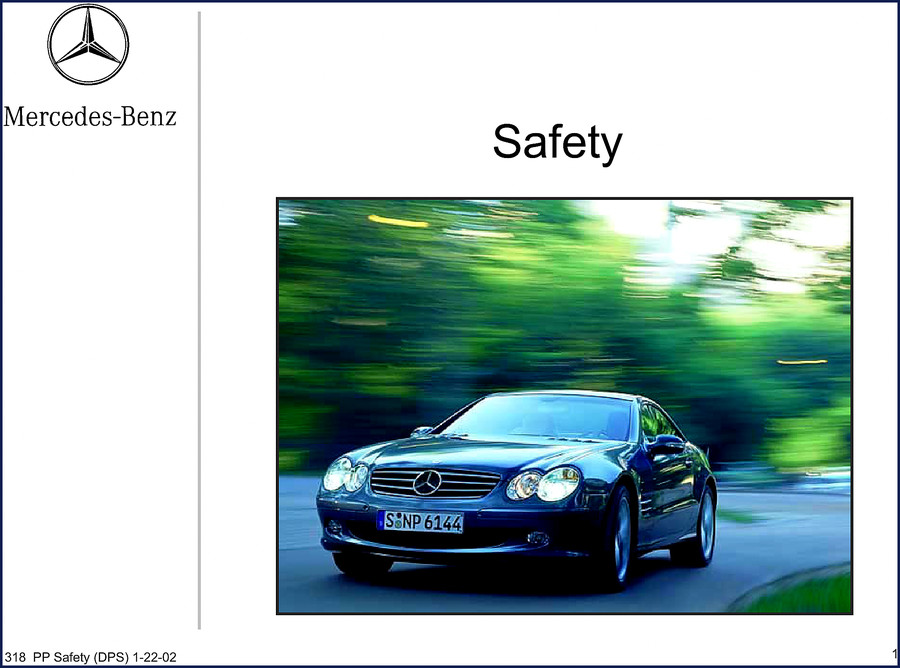
Mercedes-benz R230 2002 Technical Manual – Sensotronic Brake Control
You’ve got a customer’s R230 with a brake warning light that won’t clear, pedal feels spongy after a caliper swap, and the aftermarket scan tool is giving you ghost codes. Before you touch a bleeder screw or replace a master cylinder, you need the factory information on what this system actually does. This Mercedes-benz R230 2002 Technical Manual is the exact training handout used by dealer techs when the SBC system launched. It’s 32 pages, not a full service manual, but it covers the hydraulic and electronic logic you have to understand before you start wrenching. I’ve seen guys ruin a brand-new A7/3 hydraulic unit because they didn’t know about the Predrive Check sequence. This book keeps that from happening.
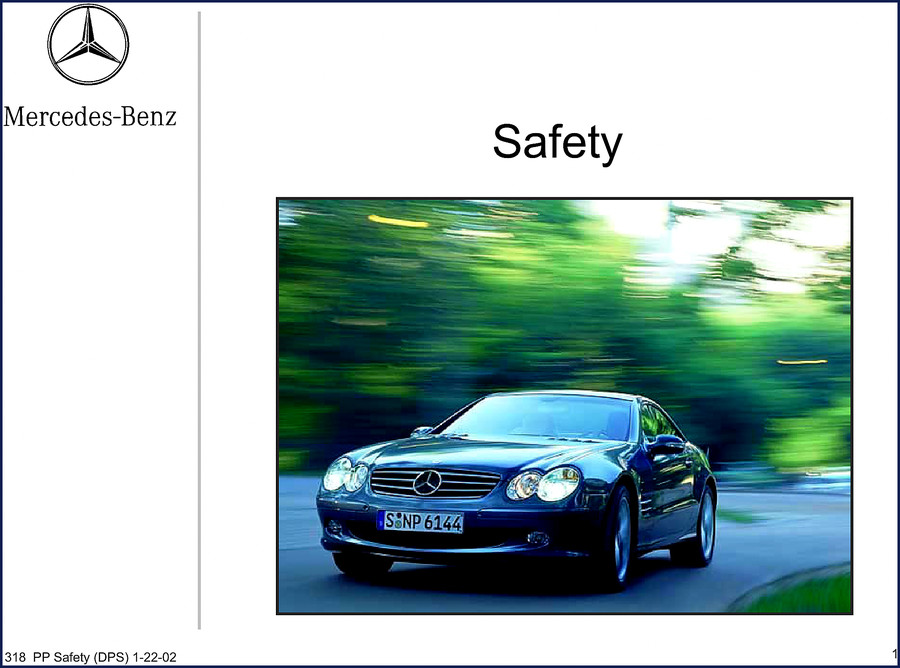
SBC Components and How They Talk to Each Other
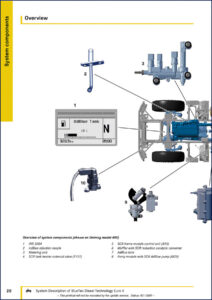
The manual starts by mapping out the whole SBC system — the Brake Operating Unit (BOU), the pedal value sensor B37/1, the tandem master cylinder inside the BOU, and the traction system hydraulic unit A7/3. Each component has a labeled diagram straight from the 2002 training materials. You’ll see how the CAN bus connects SAM and SAM-H modules to the SBC control unit. If you’re chasing an intermittent ABS fault, page 18 shows the emergency operation circuits and which valves open when the system loses primary pressure. The acronym list at the back (page 32) decodes every abbreviation used in the text — no guessing what BAS, EBR, or PDC stands for.
Bleeding the Brake System – Factory Sequence
Bleeding a R230 is not like bleeding a Chevy truck. The SBC system has a high-pressure accumulator and requires a specific sequence using the Mercedes-Benz SDS or equivalent to cycle the valves. Page 31 walks through the bleeding procedure step by step. Pay attention to the temperature compensation logic on page 23 — if you bleed when the brake fluid is cold and then the car sits in a San Antonio summer, the pedal will drop because the system corrected for viscosity. I’ve had to re‑bleed three cars because someone skipped that section. The manual also lists the exact fluid spec (DOT 4, low viscosity) and the maximum allowable pedal travel after bleeding. No generic instructions here.
ABS, ASR, ESP – What Changes with SBC
Starting on page 21, the manual breaks down how ABS control is modified under SBC. Instead of a conventional modulator, the A7/3 unit directly builds and releases pressure at each wheel. The ASR, EBR, and ESP functions are detailed across pages 22–23. You get the response thresholds for lateral acceleration, steering angle, and yaw rate. If you’re trying to diagnose a stability control malfunction that only happens on certain corners, this section tells you which sensor inputs the system prioritizes and when it intervenes. The warning display logic (pages 10–11) shows exactly which messages trigger the yellow brake warning or the red “visit workshop” light.
Emergency Operation – What Happens When the Pump Dies
There’s a section dedicated to emergency operation (page 19). When the SBC pump fails or the accumulator loses charge, the driver still gets power assist through a mechanical bypass in the tandem master cylinder. The manual explains the emergency operation circuit and how the pedal feel changes. This is critical if you’re trying to decide whether to repair the SBC unit or retrofit a conventional system. I keep a copy of this page taped to my toolbox because every R230 owner asks why the pedal goes hard after a relay failure. The answer is right there: the system defaults to a boosted manual mode, drawing fluid directly from the reservoir without the pressure sensor.
Why You Need OEM Documentation – Not Aftermarket Crib Notes
I’ve seen third‑party manuals that tell you to bleed the R230 like a W140. That works until you crack the accumulator line and get a face full of 2,000 psi brake fluid. This is an original Mercedes-Benz technical training booklet, not a photocopied reprint or a scan of a scan. The torque specifications for the tandem master cylinder mounting bolts and the bleed screw values are printed in the factory format — you don’t have to guess which thread locker to use. The document includes WIS document numbers (GF42.45‑P‑0001SL, GF42.46‑P‑0001SL) so you can cross‑reference with the full WIS database if you have access. For a $25 investment, this manual saves you the downtime of ordering a new hydraulic unit because you missed a check valve.
Who Should Buy This Manual
If you own a 2002–2006 R230 SL‑Class and plan to do your own brake work, this is the single most important reference you can have. Home garage guys who have bled conventional systems will find the SBC procedure completely different. Professional mechanics adding European diag to their skill set will use the component location diagrams to save flat‑rate time. Beginners should not attempt SBC repairs without reading this manual first — the system holds residual pressure for up to 10 minutes after shutdown, and the manual warns you about personal injury on page 2. If you’re a shop owner, put a copy in the tech’s laptop bag for the R230 that rolls in with a “Brake Control System Malfunction” message.
- Does this manual include torque specifications for the brake caliper bolts?
- It covers the hydraulic unit mounting and tandem master cylinder bolts, but it does not list caliper bracket or banjo bolt torques — those are in the WIS service manual.
- Can I use this manual to diagnose a completely dead SBC pump?
- Yes. The emergency operation section and the pressure supply chapter (page 20) describe the pump start-up sequence and the waken-up signal from the control unit. You’ll find the logic for the “Delayed Off” function (page 26) and the conditions that deactivate the system (page 27). If the pump doesn’t run after the driver opens the door, you can follow the Predrive Check (PDC) routine on page 25 to isolate whether it’s a pump motor failure or a relay command issue. The manual won’t give you ohm values for the pump windings, but it will tell you exactly when and why the pump should be active. That alone can save you a tow.
Related technical documents you should check: Mercedes-Benz R230 2002 Sensotronic Brake Control Manual covers the same system in a different format. Mercedes-Benz R230 W211 2003 Sensotronic Brake Control Manual expands into the W211 platform. Mercedes-Benz R230 Keyless Go Training Manual is a separate electrical training module. For background on traditional hydraulic brake systems without electronic intervention, see Manual Transmission and Manual Transmission on Wikipedia. Download the Factory Manual and keep it with your scan tool.




Charles W. –
Perfect workshop guide. It is very easy to read on my phone without losing quality. It assisted me to fix my Mercedes-benz R230 electrical connector. Worth every penny.