Volkswagen VR6 Training Manual
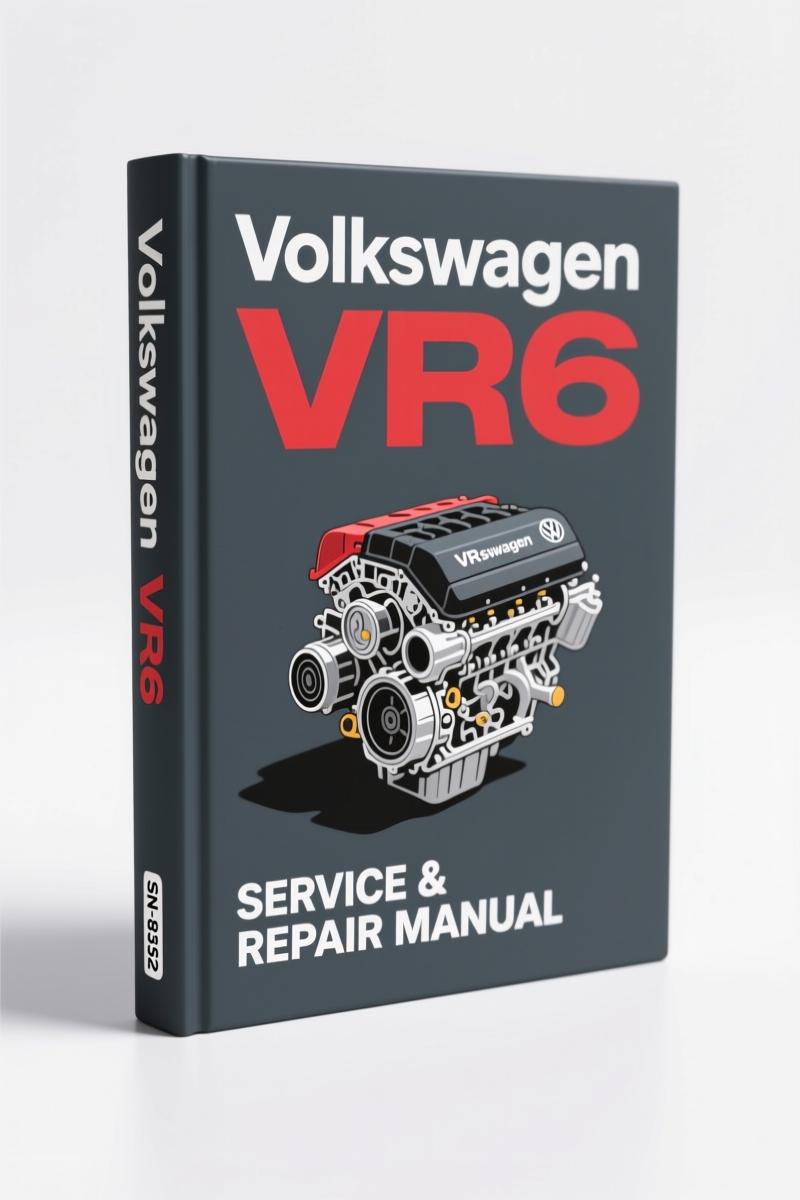
Listen, I’ve been wrenching on German iron for 28 years, and if you’re trying to understand why a VR6 pulls hard at 2,500 rpm then falls flat at 5,500, you need the Volkswagen VR6 Training Manual. Not some aftermarket reprint that guesses at the runner lengths. This is the 20-page OEM self-study program (Self-study programme 212) that Volkswagen used to teach its own techs how the variable intake manifold works. It’s not a shop manual — it won’t tell you how to pull the engine — but it will explain exactly why the intake manifold changes geometry and what torque values you should expect at each position. If you skip understanding that, you’ll be chasing vacuum leaks and flat spots all week.
Power and Torque Curves – Page 4 Data
Page 4 of this Volkswagen VR6 Training Manual starts with the basic physics: power (kW) equals torque (Nm) times engine speed divided by 9550. That formula matters because the VR6 variable intake manifold is designed to optimize both. High torque needs a long, narrow intake runner. High power needs a short, fat one. The manual walks through the trade-off using actual test stand data from the VR6 engine. You’ll see the torque position curve on page 9 and the power position curve on page 10. No fluff — just graphs and the math behind them.
Air Supply and Resonance Charging
One section that separates an OEM training manual from generic web junk is the air supply chapter. It covers air channeling in the engine and the principle of resonance charging. Resonance charging uses pressure waves in the intake tract to ram more air into the cylinder at specific RPM. The manual explains the tuned lengths — something you cannot get from a third-party wiring diagram. If you’ve ever wondered why your VR6 has that intake flap actuator and what triggers it, this is where you learn. The Volkswagen VR6 Training Manual – Factory Design & Function Guide goes into that detail on page 5.
Torque Position vs Power Position – The Variable Intake Manifold
The bulk of this 20-page training manual is dedicated to the variable intake manifold itself. It breaks down the torque position (page 9) and the power position (page 10) with cutaway drawings. The change-over barrel and power collector are explained step by step, including how the change-over valve N156 (page 16) actuates the flap. I’ve seen too many DIYers replace that valve because they didn’t understand the load-dependent change-over concept. This manual saves you that guesswork.
What Torque Specs Are Listed?
Torque values appear in the context of the intake manifold’s mechanical positions — not fastener torques, but the torque output of the engine at the crank. You’ll see a graph labeled “Torque position of VR6 variable intake manifold” with Nm values. For actual fastener torques (head bolts, intake bolts) you need the corresponding workshop manual. But this training manual gives you the baseline understanding so you know why a loose intake manifold gasket kills low-end torque. Pair it with the Volkswagen VR6 Technical Manual – Variable Intake Manifold OEM Specs for the real service data.
Service and Test Your Knowledge – Final Chapters
The last two chapters — Service (page 17) and Test Your Knowledge (page 19) — are what make this a proper training tool. The service section lists inspection points for the intake manifold system: check for binding of the change-over barrel, verify actuator rod travel, inspect seals. The test-your-knowledge quiz has 10–12 questions that force you to apply the resonance charging theory. If you can’t answer those, go back and re-read. I use this manual when training my junior techs before they touch a VR6 timing chain job.
Source Validity – Why OEM Training Manuals Beat Aftermarket
This is a factory Volkswagen publication. It was printed for dealer technician training, not for the aftermarket. Aftermarket manuals often copy the theory but get the runner lengths or valve mapping wrong because they reverse-engineer from a running engine. The Volkswagen VR6 Training Manual comes from the engineering department — it includes patents and design rationale that no third-party writer would know. For anyone working on a Corrado VR6, Passat VR6, or Golf VR6, this is the source document. The Automotive Industry Overview confirms that OEM training materials like this are the gold standard for understanding engine breathing. If you need the 2.3-liter V5 version, check the Volkswagen 2.3-ltr. V5 Training Manual – OEM Factory Specs.
- Q: Is this manual a replacement for the factory workshop manual?
- No. This is a self-study program — it explains how and why the variable intake manifold works, not how to remove it. Use it to understand the system before you grab a wrench. For repair procedures, get the genuine Volkswagen workshop manual.
- Q: Does it include torque values for engine bolts?
- It includes engine torque curves in Nm (page 9–10). No fastener torque specs — those require the official service literature.
If you are rebuilding a VR6 or troubleshooting a low-end power complaint, stop relying on forum speculation. Get the factory explanation from the source. Download the Factory Manual — the Volkswagen VR6 Training Manual — and understand the intake system the way Volkswagen’s own engineers intended.
Reviews
There are no reviews yet.