Honda CB400F Parts Catalog – Factory Diagrams, No Guessing
If you’ve ever rebuilt a CB400F top end using a third‑party parts diagram that showed the wrong oil seal or a mislabeled circlip, you know the kind of frustration that wastes an afternoon. I’ve seen it happen – a guy orders a valve stem seal from a generic list, gets the wrong one, and the bike leaks oil down the guide until he pulls the head again. That’s time and money burned. This Honda CB400F Parts Catalog is the exact same book the dealer’s parts counter uses. 43 pages of factory‑drawn exploded views and part numbers that match the 1975–1977 four‑cylinder parallel‑twin. No reprints, no aftermarket cut‑and‑paste.
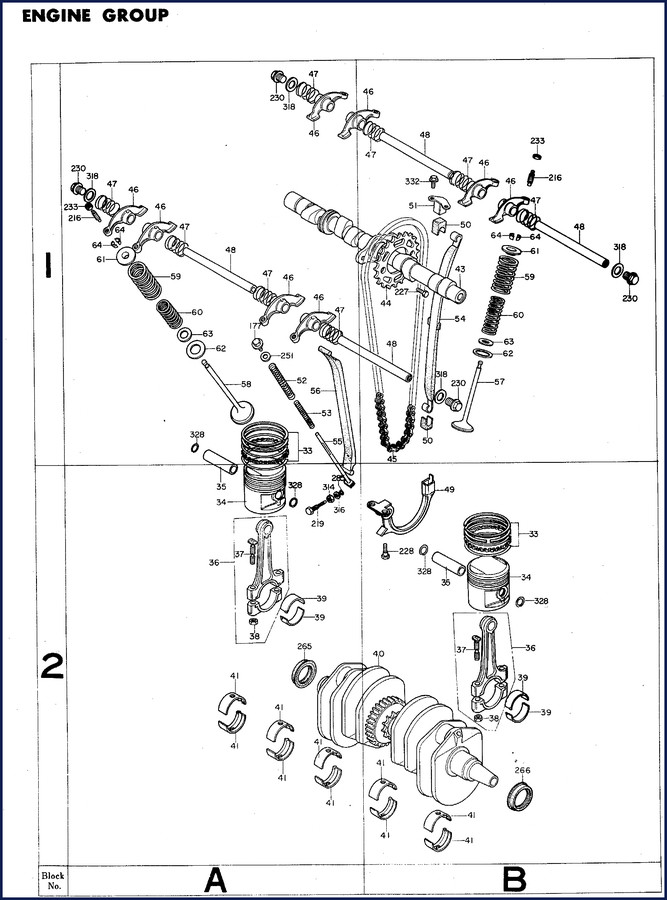
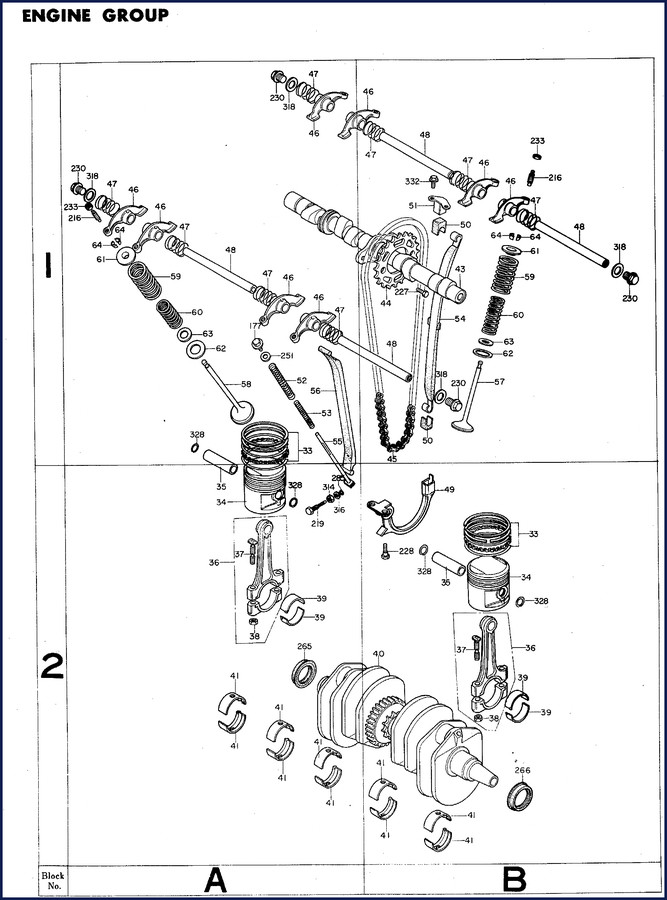
Engine Group: Pistons, Crank, Valve Train, and More
The engine section alone is worth the price of entry. Diagrams cover the pistons, crank, and valve train in one view, then cylinders, head, and valve covers in another. Every component is keyed to a parts list that runs from part #1 through #351. Need the intake valve? It’s on the Valve train diagram with the exact OEM number. The Transmission – including the alternator, starter, and transmission assembly – is shown in a dedicated diagram. When you’re swapping a clutch or chasing a second‑gear issue, you can identify each gear, bushing, and shim without pulling the case twice. The parts list groups are broken into manageable chunks: #1-30, #31-35, #36-45, all the way to #341-351. I keep a printout on the bench so I can scribble notes next to the part numbers I need to order.
Transmission Parts: Don’t Guess the Spline Count
I’ve seen beginners order a transmission countershaft for a CB400F that turned out to be a CB350F part because the online listing looked close. That mistake costs you shipping and a week of downtime. This catalog gives you the exact OEM part numbers for every gear, bearing, and oil seal inside the Engine case. The “Alternator, Starter, & Transmission” diagram shows how the starter clutch meshes with the primary drive – critical if you’ve got a noisy kick‑start. The parts list for that section (parts #1-30 through #31-35) identifies every internal component. No cross‑reference guessing.
Frame Diagrams: Front Forks, Suspension, and Brakes
Frame section runs from diagrams of the front wheel, instrument cluster, and headlight all the way to the rear wheel and taillight. The “Front Forks & Handlebars” diagram shows each fork tube, spring, damper rod, and the handlebar clamp hardware. “Rear Suspension & Brakes” covers the swingarm, shock, and brake stay arm. Parts lists extend from #1-30 through #496-525. When you’re rebuilding a master cylinder or replacing fork seals, these OEM diagrams save you from ordering the wrong caliper piston or bushings. I’ve used these exact pages to source a correct brake hose banjo bolt that aftermarket catalogs didn’t list.
Why an OEM Parts Catalog Beats Aftermarket?
Aftermarket parts catalogs often merge multiple model years into one chart, or they omit the hardware – washers, clips, O‑rings – that you need to finish a job. This Honda CB400F Parts Catalog from AutoRepairManuals is a direct scan of the original factory binder. The diagrams are crisp, the part numbers are printed under each component, and the notes like “Parts of which number is framed are available only as a kit” (page 5) tell you exactly how Honda bundles items. That kind of detail keeps you from ordering a single bolt that only comes in a bag with four others. For reference, I always cross‑check with the HONDA CB400F CB-1 1989 Service Manual for torque specs and procedures, and the Honda VFR750F 1994 Parts Catalog – OEM Factory Parts Breakdown for similar generation V‑fours if you’re working on multiple bikes. If you need a dedicated parts breakdown for the 400cc V‑four, the Honda VFR400R VFR400Z 1989 Parts Catalog – OEM Factory Manual is another solid resource.
7 Things You Can Do With This Catalog
Cycle through the diagrams to verify a part before you hit “buy.” Use the parts list to check supersessions – Honda updated some CB400F fasteners over the years. Mark the page numbers you use most: I’ve got page 2 (engine group block diagram) flagged for the valve train layout. The catalog also helps when you’re piecing together a salvage‑yard engine – compare the casting numbers on the case halves to the diagram’s part numbers. For a broader understanding of how these components fit into the automotive landscape, see the Automotive Industry Overview site. And if you’re replacing the battery, the Automotive Battery page has specs on battery terminal orientation that can affect wiring routing.
Frequently Asked Questions
- Does this catalog include torque specifications or service procedures?
- No. It’s a parts catalog – you get exploded diagrams and OEM part numbers. The service manual (different book) has torque specs, clearances, and step‑by‑step repair instructions.
- What years and models does this cover?
- It’s specifically for the Honda CB400F, 1975–1977 model years, including the CB400F Super Sport and the CB400F‑II. Not for the CB400T or any four‑valve version.
- Can I use this to order parts online?
- Yes. Write down the part number from the list (e.g., 12209‑333‑000 for an intake valve) and give it to your dealer or paste it into any OEM‑parts website. The diagrams also show which parts come in kits – framed numbers mean you buy the whole group.
- Is there a difference between this and aftermarket printed catalogs?
- Vast. Aftermarket catalogs often redraw the diagrams, drop part numbers, or merge models. This is a direct scan of the factory Honda binder – every stroke is original. You see the exact same drawing the parts counter sees.
Stop chasing parts with blurry screenshots and generic lists. Download the Factory Manual now and keep the right OEM numbers on your bench. I’ve been wrenching for twenty‑eight years, and I won’t use anything else for a CB400F rebuild.

Reviews
There are no reviews yet.