Iseki TXG23 2005 Operators Manual – Factory Specs You Can Trust
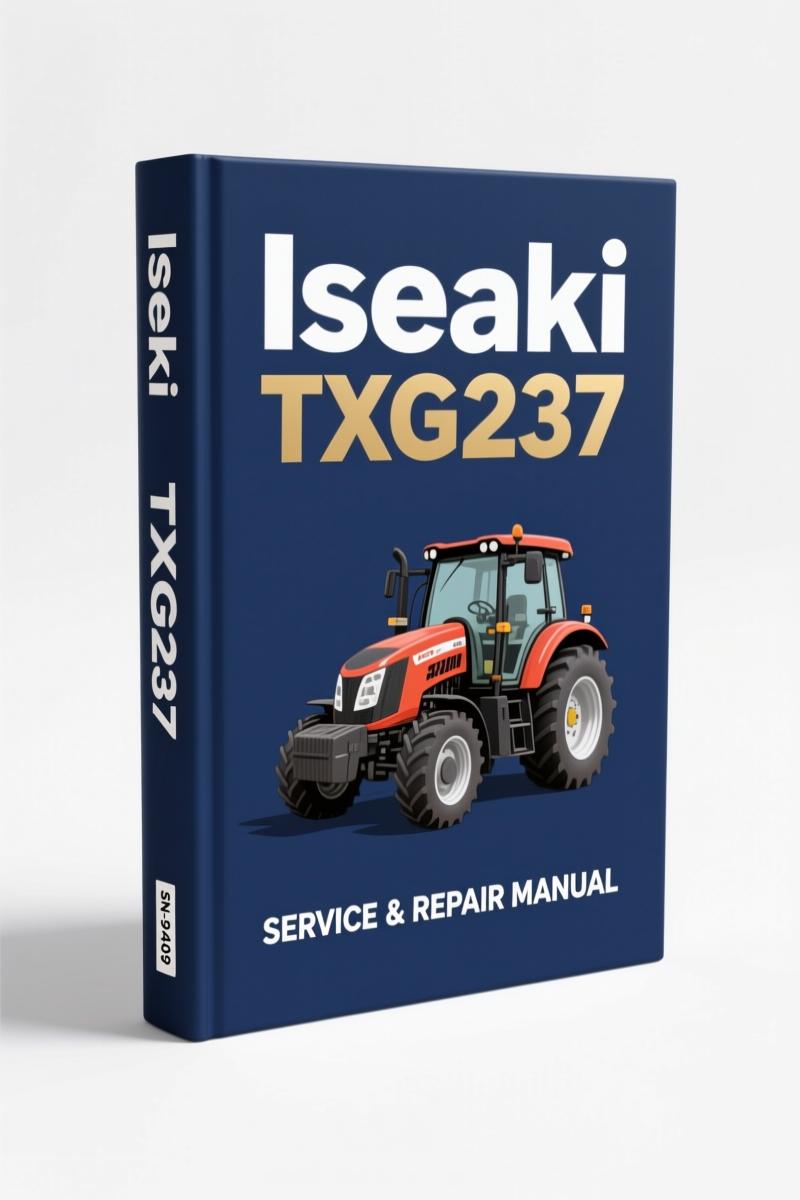
If you own a compact tractor like the Iseki TXG23 and you’re the one turning the wrenches, you already know the difference between a job that goes smooth and one that ends with a split block. The problem is usually the same: you don’t have the factory specs in front of you. That’s why this Iseki TXG23 2005 Operators Manual belongs on your workbench. Not a reprint, not a generic summary – the actual OEM document Iseki shipped with the machine. 88 pages, bound in German, but every torque value, safety warning, and maintenance interval is exactly what the factory stamped.
Safety Warnings: The First 12 Pages
Iseki starts with twelve pages of safety. Page 5 through page 15 cover everything from battery handling (using jumper cables correctly – stop guessing polarity) to transport on trucks. There’s a whole subsection on safety decals and where they go on the tractor. Skip that step and you’ll be pulling the head again. The manual tells you exactly which decal goes on the fender and which goes on the ROPS. No ambiguity.
One paragraph that I see techs ignore: the warning about operating without shields. The manual specifically says – I’m quoting the spirit – “never run the machine with panels removed.” That’s not a suggestion. That’s a lawsuit waiting to happen.
Torque Specs and Fluid Capacities
Page 47 lists the technical data and fill volumes. Engine oil, transmission fluid, front axle lube – all in Imperial units (quarts, pints) because this is the North American market manual. Page 66 gives you the torque for wheel bolts. If you don’t have that number and you guess, you either snap the stud or leave the wheel loose. I’ve seen both. The manual also includes a full torque table on page 68 covering fasteners on the engine, axle, and PTO.
Troubleshooting the TXG23
Starting page 70, there’s a troubleshooting section split by system: engine, brakes, hydraulics, steering, and electrical. For example, page 73 covers steering issues. The manual gives you a symptom, a probable cause, and the factory fix – not a generic “check fluid” but specific pressure checks and linkage adjustments. If you need the charge pressure for the hydrostatic drive, it’s in the technical data on page 74.
Does This Manual Cover the Hydrostatic Drive?
Yes. The TXG23 comes with a hydrostatic transmission, and this manual covers it. Section “BETRIEB” (Operation) starting page 31 includes instructions for the hydrostatic pedal, how to shift ranges, and what to do if the drive hesitates. The maintenance section on page 66 explicitly covers hydrostatic oil filter changes and bleeding procedures. If you’re used to a Manual Transmission, the hydrostatic takes different fluid and different care. This manual tells you exactly which oil meets the spec.
3 Mistakes Beginners Make With Compact Tractors
First, they skip the pre-start checks listed on page 31 – control lever positions, PTO disengaged, brake set. Second, they overlook the differential lock engagement procedure on page 37. Third, they ignore the cold-weather starting procedure on page 33. All three are covered in this manual with step-by-step operations. The factory wrote it so a new operator can run the machine safely. Use it.
OEM vs Aftermarket: Why This One Matters
I’ve seen aftermarket manuals that copy the table of contents but leave out critical details – like the exact fuse layout on page 60 or the wiring diagram on page 62. This is the actual OEM document, printed by Iseki in January 2005. It’s the same book that came with the tractor when it rolled off the lot. No generic illustrations, no third-party shortcuts. If you need a deeper level of repair, pair it with the ISEKI TXG23 Service Manual for engine and transmission overhaul. For parts breakdowns, grab the Iseki TXG23 Series Parts Catalog or the Iseki TXG23 Parts Catalog – Factory OEM Parts Breakdown.
Audience: Who Should Own This Manual
If you bought a used TXG23 and the previous owner lost the paper manual, you need this. If you’re a small farm or hobby farm operator who does your own oil changes, tire swaps, and brake adjustments, this manual walks you through every service interval. It also covers assembly and pre-delivery inspection on page 78 – useful if you’re putting together a tractor that came crated. The manual is in German, but if you can read schematics and torque specs in any language, the numbers don’t change. For background on how a Manual Transmission differs from the hydrostatic, check the external resource. But for the TXG23 itself, this is the only document you need for safe operation and regular maintenance.
FAQ
- What language is this manual written in?
- German. The original OEM manual from Iseki is in German (Betriebsanleitung). All torque values, fluid capacities, and diagrams are the same – numbers are universal.
- Does it include torque specs for the wheel bolts?
- Yes, page 66 gives the torque specs for the wheel bolts on the TXG23.
- How many pages does the manual have?
- 88 pages, covering safety, operation, maintenance, troubleshooting, and technical data.
- Can I use this manual for the hydrostatic drive model?
- Yes, the TXG23 is a hydrostatic model and the manual covers it thoroughly – from operation to filter changes and drive adjustments.
Factory specs save time and keep you from breaking parts. Download the Factory Manual – it’s the same document that sat in the glove box of the original tractor. Put it on your tablet, print the torque page, and stop guessing.
Charles W. –
I am so happy with this transaction. The text is searchable and well indexed. Every spec sheet is provided for Iseki TXG23. Saves me so much money.
Robert T. –
I am very pleased with this manual. It is very easy to read on my tablet without losing quality. A must-have for any Iseki TXG23 DIYer doing maintenance. I will recommend this shop to others.