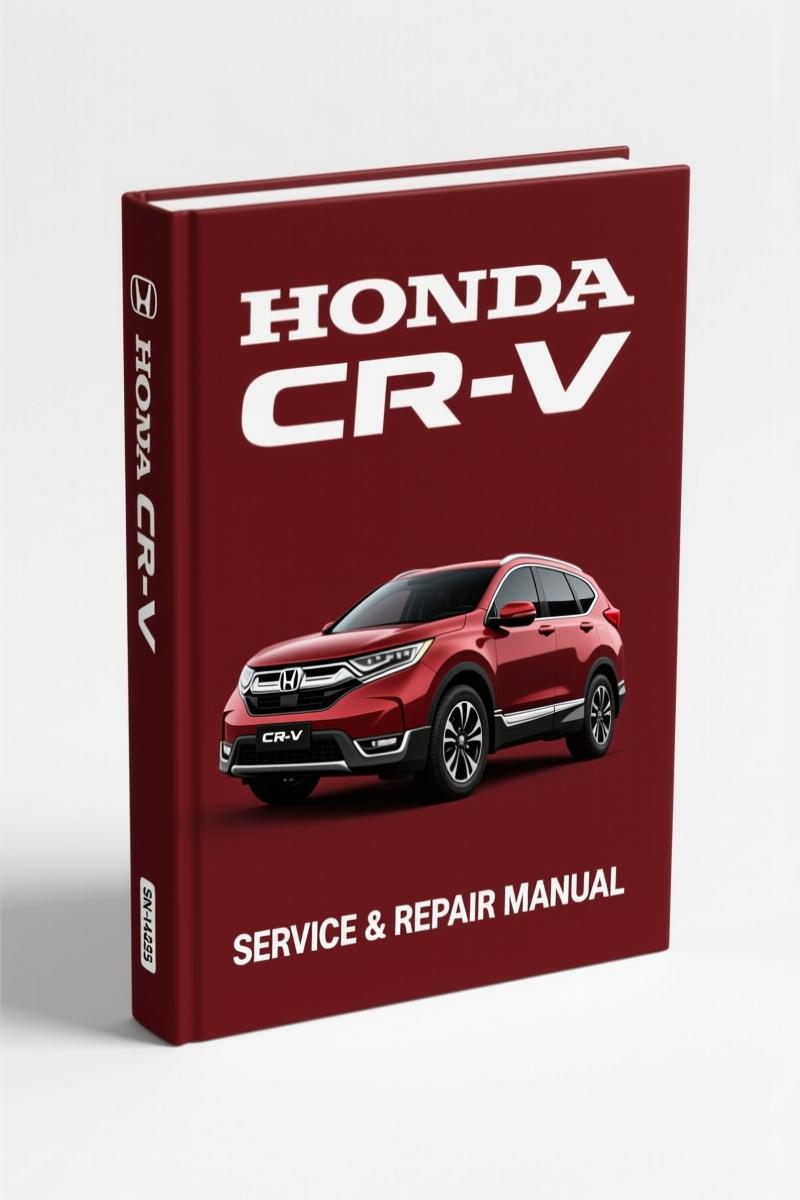
I’ve been turning wrenches in San Antonio for 28 years. When a new CR-V rolls into the bay and the driver says ‘the manual’s gone,’ I don’t hand them a stack of aftermarket printouts. I point them to the real thing: the Honda CR-V User Manual, 532 pages of factory documentation that tells you exactly how that vehicle was designed to operate. No guesswork.
Safe Driving: EDR and Airbag Systems
Page 27 kicks off with For Safe Driving. The manual spells out how the Event Data Recorder (EDR) works – what it records, when it triggers, and who can access that data. If a customer comes in after a collision and asks about their black box, this section tells you. It covers seat belts (page 33) and airbags (page 41) in factory detail. That matter of California Proposition 65? It’s on page 1, right upfront. Honda doesn’t hide warnings.
Instrument Panel: Reading the Gauges and Displays
From page 69, the Instrument Panel chapter walks through every indicator, gauge, and display. You need to know what that blinking light means? It’s in there. The manual breaks down the multi-information display and the audio system’s relationship with the dash. No aftermarket manual gets this level of specificity – they always miss the nuances of the factory cluster layout.
Climate Control and Moonroof: Operations You’ll Actually Use
The Controls chapter (page 127) covers the clock, door locks, moonroof (if equipped), seat adjustments, and the climate control system. If a CR-V comes in with a moonroof that won’t close, the reset procedure is in here. The manual gives you the exact steps, not a generic ‘consult a technician.’ That’s why I keep a copy on the workbench.
Maintenance Minder: Why You Need the Factory Schedule
Page 425 starts the Maintenance chapter. The Maintenance Minder system (page 429) tells you exactly when to change oil, rotate tires, replace spark plugs. It even lists the fluid capacities and part numbers for wiper blades (page 461). Using aftermarket maintenance schedules leads to skipped services and warranty headaches. Stick with the OEM spec.
Why OEM Documentation Beats Aftermarket Copies
Aftermarket manuals reprint guesses. This Honda CR-V Owner’s Manual is the same document the dealership gives you with the vehicle. It includes the California Perchlorate warning, service diagnostic recorder info, and the official specifications (page 510). I’ve seen third-party manuals that leave out the EDR description entirely. If you’re working on a 2016 CR-V, use the source that Honda engineers wrote. For an overview of the automotive industry, see Automotive Industry Overview.
Coverage Beyond the Basics: Towing and Trailer
The Driving chapter (page 347) covers towing a trailer (page 353) with weight limits and hitch recommendations. The Multi-View Rear Camera calibration (page 417) is also in there. If you’re installing aftermarket electronics, this manual tells you where the wiring is – better than any Haynes.
For earlier model years, you can reference Honda CR-V 1997-2000 Service Manual – Section: Restraints for older airbag systems, and Honda CR-V 1997-2000 Service Manual – Section: Special Information for that generation. If your vehicle has a manual transmission, Manual Transmission offers general background, but the factory user manual is CR-V specific.
FAQ – Common Questions About This Manual
- Is this manual for the 2017 CR-V?
- No. It’s specifically for the 2016 model year.
- Does it include torque specifications for engine bolts?
- This is an owner’s manual focused on operation, safety, and basic maintenance. It does include specifications like tire pressure and fluid capacities (page 510) but not detailed engine torque values. For those, you need the factory service manual – see the Honda CR-V Service Manual. The user manual will help you with the maintenance minder schedule on page 429, but for head bolts, go to the service manual.
- What does the EDR section cover?
- The manual explains the Event Data Recorder – how it works, what it records (speed, brake pedal position, seat belt status), and the legal privacy notes. About two pages starting from page 1.
- Can I use this manual to replace a timing belt?
- No. This manual covers routine maintenance like wiper blades and tire changes, not engine overhaul. For a timing belt job, you need the service manual. The user manual will help you interpret the Maintenance Minder reminders before you dig into repairs.
That’s the real deal. 532 pages of Honda’s own documentation. If you’re working on a 2016 CR-V – whether you’re a DIYer in your home garage or a shop owner verifying a customer’s complaint – this is the manual you want sitting next to your scan tool. Download the Factory Manual from AutoRepairManuals and have the spec sheet at your fingertips. No third-party reprints, no missing pages.



Thomas B. –
Highly recommended! Quick download after checkout. A must-have for any Honda 2016 mechanic doing repairs. Saves me so much time.