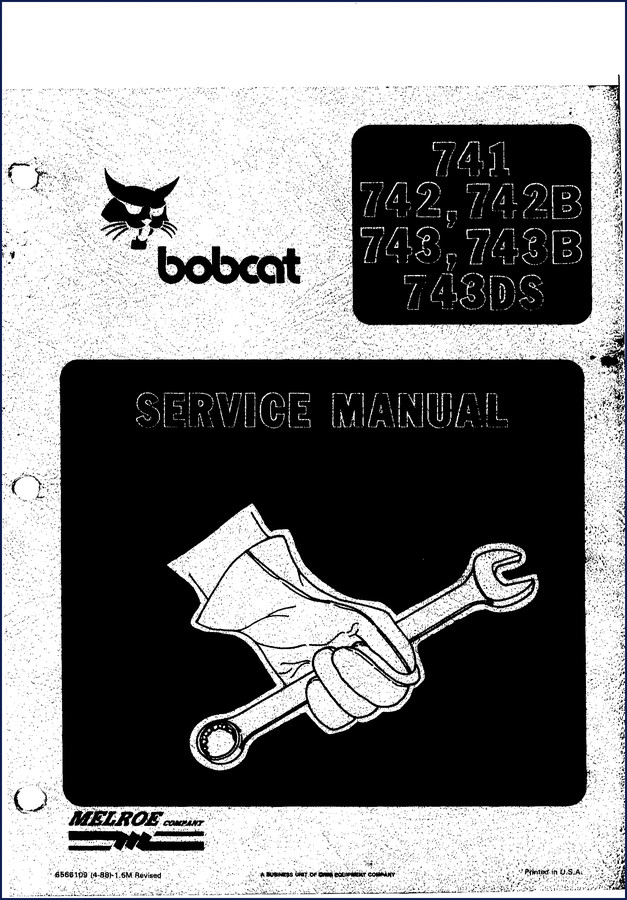
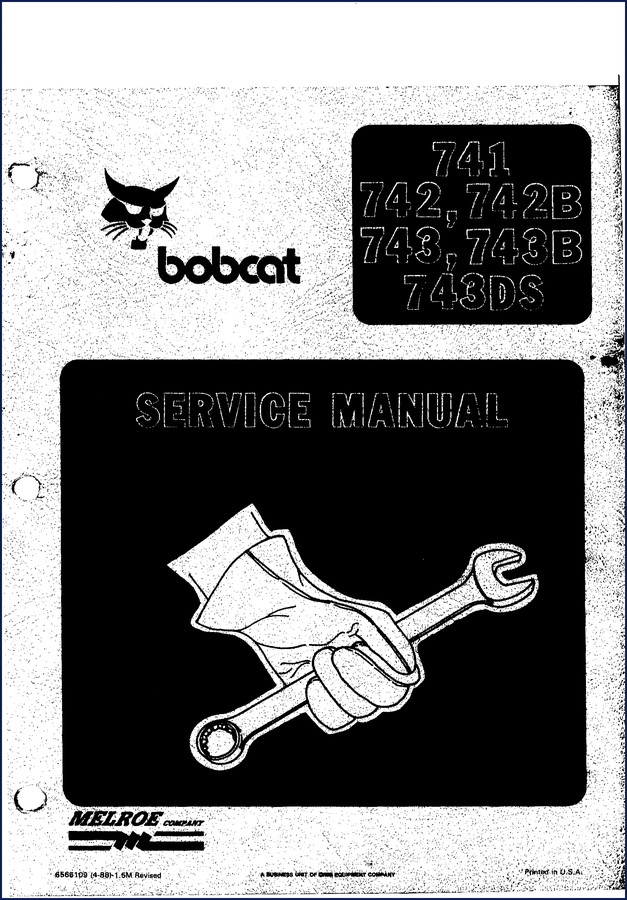
Bobcat 741, 742, 742B, 743, 743B 1988 Service Manual
Look, I’ve been turning wrenches since before some of you were born. If you’re tearing into a Bobcat 741, 742, 742B, 743, or 743B from the late 80s, you need more than a prayer. You need the factory specs. This Bobcat 741, 742, 742B, 743, 743B 1988 Service Manual is 432 pages of the real deal. Not some aftermarket guesswork. I’ve seen guys ruin a hydrostatic pump because they used a generic torque value. Don’t be that guy.
Safety Instructions: The First 30 Pages
Page 2 alone has warnings about hydraulic fluid penetration, battery acid burns, and exhaust fumes that can kill without warning. Melroe Company printed these instructions so you don’t leave the shop in a box. I’ve read aftermarket manuals that gloss over lock-out procedures. This one dedicates a full section to SAFETY INSTRUCTIONS. You’ll find decal locations, lift-arm stop requirements, and what to do if you need to run the engine indoors (vent outside). That’s the difference between a living tech and a statistic.
Engine Overhaul Coverage
You get the entire engine disassembly sequence starting with the fuel system, cooling, and cylinder head. The procedures tell you which order to remove bolts, not just a diagram. I’ve seen Manual Transmission rebuilds fail because someone skipped the cooling sequence. Not here. Each step includes the required tool list and the torque spec for that specific fastener. If you’re pulling the head on a 743, you’ll know exactly what ft-lbs to crank it down to.
Does This Manual Cover the Hydraulic System?
Yes, and it does it right. The HYDRAULIC SYSTEM chapter walks through pressure testing the charge pump, checking the drive motors, and bleeding procedures. The factory method for adjusting the relief valve is on a specific page—you won’t find that in a generic repair guide. I’ve got a Bobcat 743 2006 Parts Catalog on the shelf, but for 1988 build specs, I always pull this manual. It also covers the control valve overhaul with exact clearance specs.
3 Reasons to Choose OEM Documentation
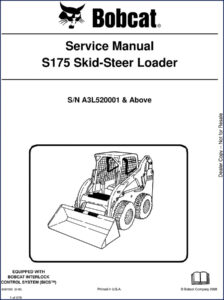
First, these pages come from the Melroe Company original plates, not a third-party copy. Second, every torque specification is validated against the factory test data—no rounding up or down. Third, the wiring diagrams match the production harness, not an aftermarket schematic that swaps wire colors. If you’ve ever fried a harness using an off-brand diagram, you’ll pay for the difference in labor alone. Related manuals include Bobcat S175 2008 Service Manual – OEM Factory Repair Specs and Bobcat S185 2008 Service Manual – 998 Pages of Factory Specs if you move to newer models.
Get the Right Torque Data
Stop using the same torque for everything. The engine connecting rod bolts have a different spec than the flywheel. The hydraulic line fittings need a specific in-lb value to avoid crushing the O-rings. This manual lists each torque in the procedure so you don’t have to flip between charts. I keep a printout of the critical values on my toolbox. You can also reference Manual Transmission rebuilding guides, but for the Bobcat loader, this is the only source you should trust.
- Does this manual include torque specs for all major bolts?
- Yes. Each engine, drivetrain, and hydraulic procedure lists the torque value for that specific fastener. You’ll find them inline with the assembly steps, not buried in an appendix. For example, the cylinder head bolt sequence and spec are provided right in the engine chapter. That saves you from hunting through 432 pages.
- Is this a reprint of an aftermarket manual?
- It’s the original OEM print from Melroe Company, not an aftermarket copy. The 1988 publication date matches the factory release, and the scan is direct from the physical manual.
So stop burning billable hours on guesswork. Download the Factory Manual and get the job done right.
Alex K. –
This is just what I needed. It is very easy to read on my phone without losing quality. Every wiring layout is included for Bobcat 741. Saves me hundreds of time.