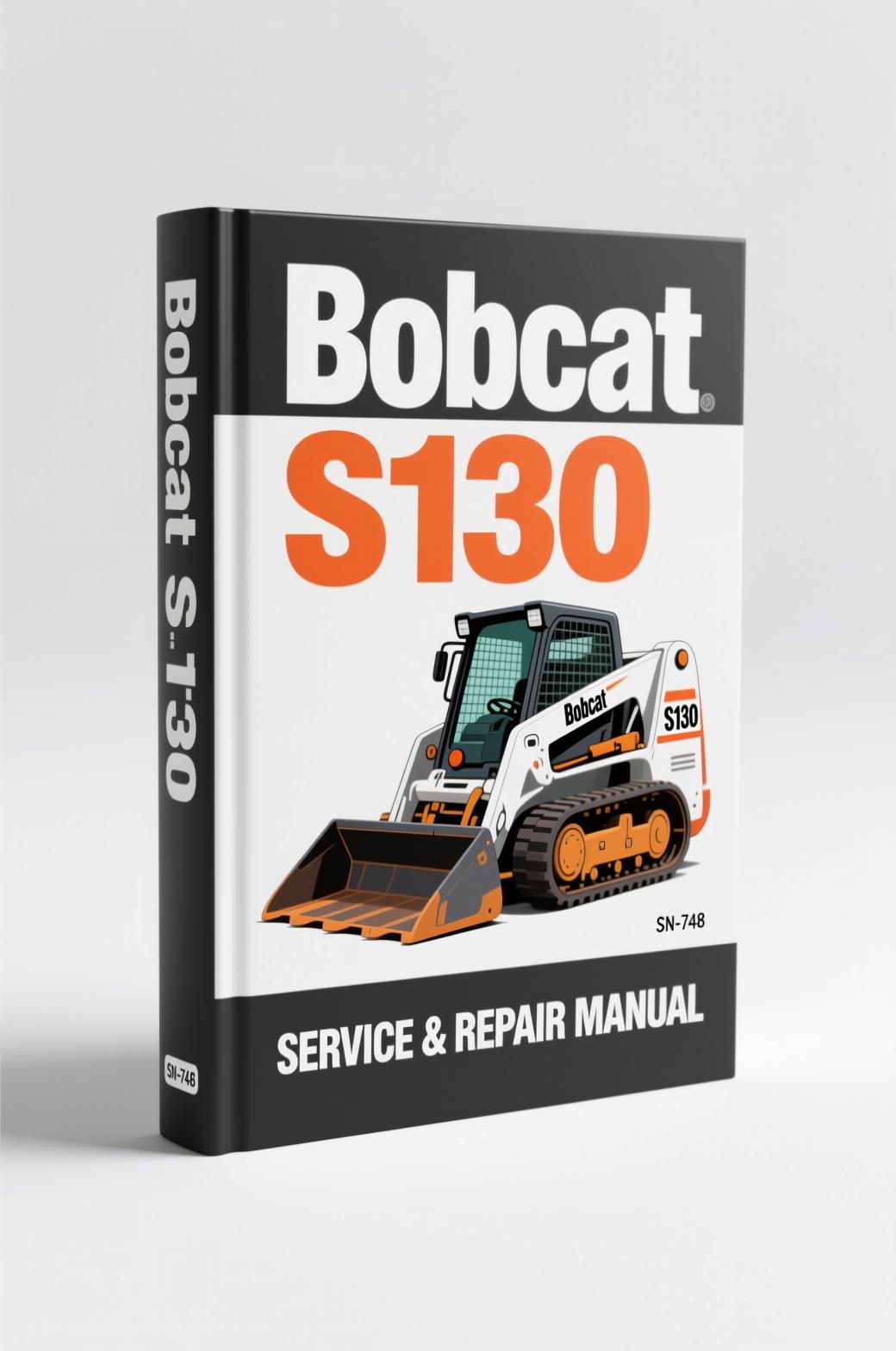
Bobcat S130 2008 Service Manual
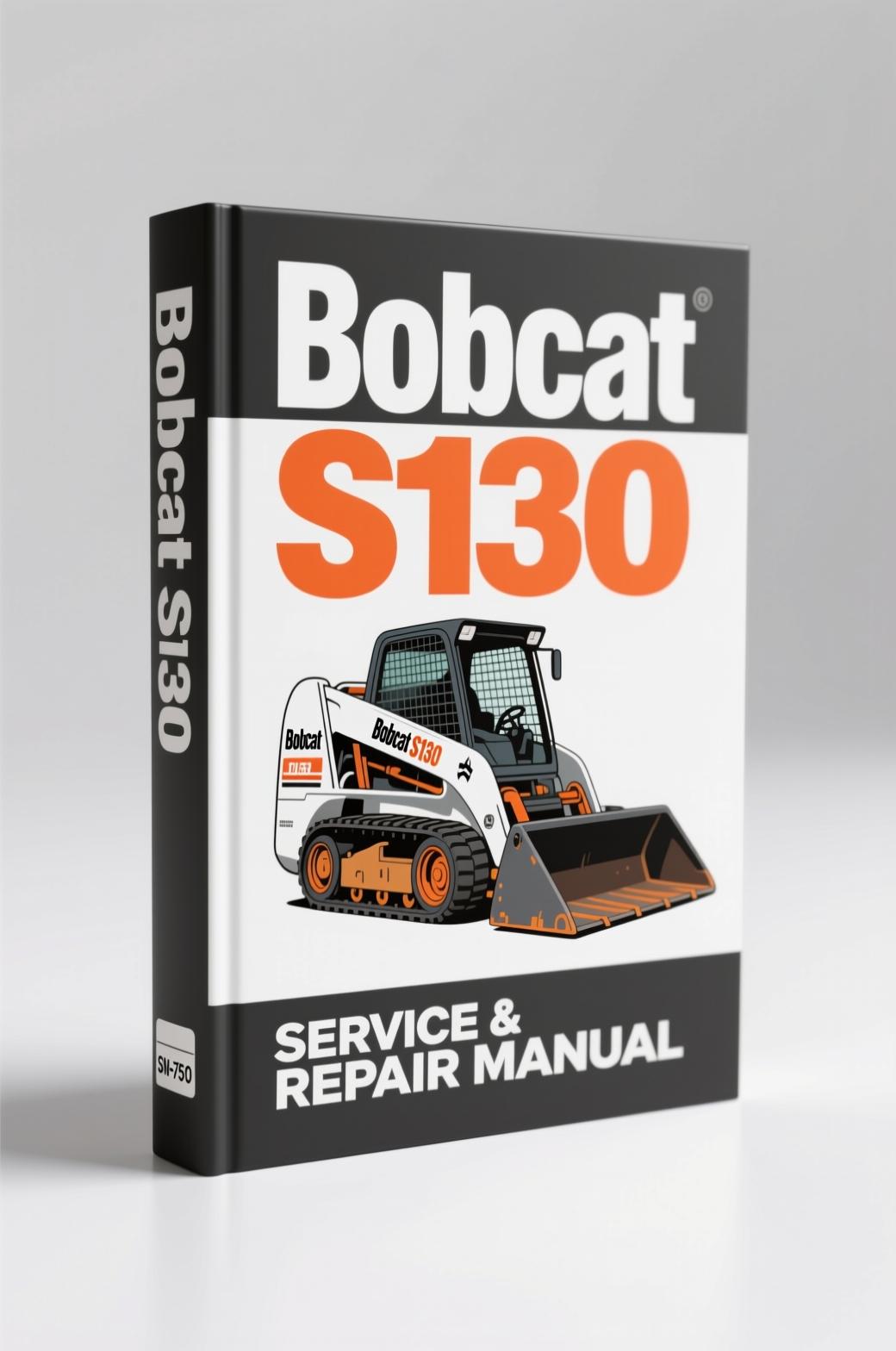
I’ve seen too many guys crack a valve body because they used a torque chart off some internet forum. That’s why I keep an OEM manual on the bench. This Bobcat S130 2008 Service Manual is 739 pages of factory documentation, not a reprint of a reprint. You get the exact serial number range (S/N A3KY11001 – A3KY11001) and the original Bobcat printing. If you’re chasing a ghost in the hydraulic circuit or need the correct fire‑prevention procedure before welding, this is the source—not some aftermarket condensed version. Let’s go through what you actually get.
Fire Prevention: Electrical and Fueling Procedures
Page 3 of the manual lays out the safety instructions you follow before the key turns. The Fire Prevention chapter covers Maintenance, Operation, Electrical, Hydraulic System, Fueling, Starting, Spark Arrestor Exhaust System, and Welding And Grinding. Every time I see a skid-steer with a melted harness, it’s because someone skipped the electrical section. The manual doesn’t assume you know the hazards—it lists the fire extinguisher type and the sequence for shutting down before service. That’s the difference between a repair and a comeback.
Hydraulic/Hydrostatic System: Fluid Specs and Filter Replacement
The Hydraulic / Hydrostatic System chapter gives you the fluid chart, the correct filter part numbers, and the replacement procedure for the case drain filters and charge filter. Need to check the breather cap? It’s in there. The manual also includes a glossary of hydraulic symbols and a troubleshooting section—so when the lift arms drop after a seal replacement, you have the OEM testing procedure for the main relief valve and each port relief valve. For the lift cylinder, the manual lists testing, removal, disassembly, and assembly. Same for tilt and Bob‑Tach cylinders. The torque values for the rod end pivot pin? Factory spec, not inferred.
Bob-Tach (Power) Inspection: What the Manual Covers
If your S130 has the power Bob‑Tach option, the manual details the inspection and maintenance of the latch mechanism. Don’t guess at the adjustment. The chapter outlines the lubrication locations and the pivot pin inspection intervals. This keeps the attachment from dropping when you’re moving full buckets. There’s also a section on the BOB‑TACH (HAND LEVER) model if your unit has that. Both procedures use the same OEM philosophy: measure, torque, verify.
Remote Start Procedure: Factory Diagnostics Without Guessing
Two remote start tool kits are covered: the older MEL1563 kit and the newer 6689779 service tool kit. Each kit has its own harness (MEL1565 for control, MEL1566 for communicator, or 6689747 and 6689746 for the later model). The manual gives the remote start procedure step‑by‑step, including the pinout checks and the tool harness connections. If you’re trying to crank the engine without the cab, you need the correct wiring diagram—aftermarket books skip harness pinouts. This manual includes them. I’ve used the 6689778 remote start tool to isolate a faulty BICS module. Wouldn’t have found it without the factory diagnostic sequence.
Source Validity: OEM Print vs. Aftermarket Documentation
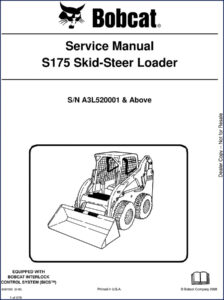
Aftermarket manuals often lift pages from earlier model years and slap a “universal” torque table. This is the original Bobcat print, 6986565 (5‑08), with the dealer copy marking. The serial number range is printed on page 1. The engine serial number location is listed separately. Hydraulic schematics are drawn per Bobcat’s engineering, not a generic ISO set. If you’ve ever fought a port relief adjustment that backs off after two cycles, it’s because the spec was wrong. This manual gives you the correct adjustment procedure—period. For related models, check the Bobcat S130 2008 Service Manual”>Bobcat S130 2008 Service Manual main page or the Bobcat S130 2008 Service Manual – Section: Heater Co”>Heater Co section for additional cab diagrams. Also see the Bobcat S175 2008 Service Manual – OEM Factory Repair Specs”>Bobcat S175 2008 Service Manual – OEM Factory Repair Specs if you work on that model.
For those learning how a Manual Transmission”>Manual Transmission operates, the hydraulic chapter concepts overlap with hydrostatic drive theory. And understanding a Manual Transmission”>Manual Transmission helps when explaining final drive chaincase oil checks to a helper.
FAQ
- Does this manual contain the engine serial number location?
- Yes, page 1 shows the loader and engine serial number locations.
- How do I access the hydraulic troubleshooting section?
- The manual contains a full glossary of hydraulic symbols and troubleshooting steps starting in the Hydraulic System section, covering cylinder testing, removal, and assembly for lift, tilt, and Bob‑Tach cylinders. It walks you through each valve, including the main relief valve adjustment, load check valves, anti‑cavitation valves, and port relief valves. You get the factory procedure for testing and adjusting, not a cheat sheet. The 739 pages include actual flow diagrams and pressure test points—you won’t have to call a dealer.
You need a manual that doesn’t waste your time with vague “tighten until snug” instructions. This one has the factory torque specifications, hydraulic schematics, and the safety procedures for electrical and engine work. Whether you’re replacing a hydraulic charge filter or rebuilding the tilt cylinder, the procedure is laid out in the order Bobcat intended. Stop guessing and get the correct data. Download the Factory Manual.


Alex K. –
Five stars! The PDF looks clean. A must-have for any Bobcat S130 DIYer doing repairs. Saves me hundreds of dollars.
Robert T. –
Great workshop guide. Instant access after payment. Contains clear wiring diagrams for Bobcat. Highly recommended for mechanics.