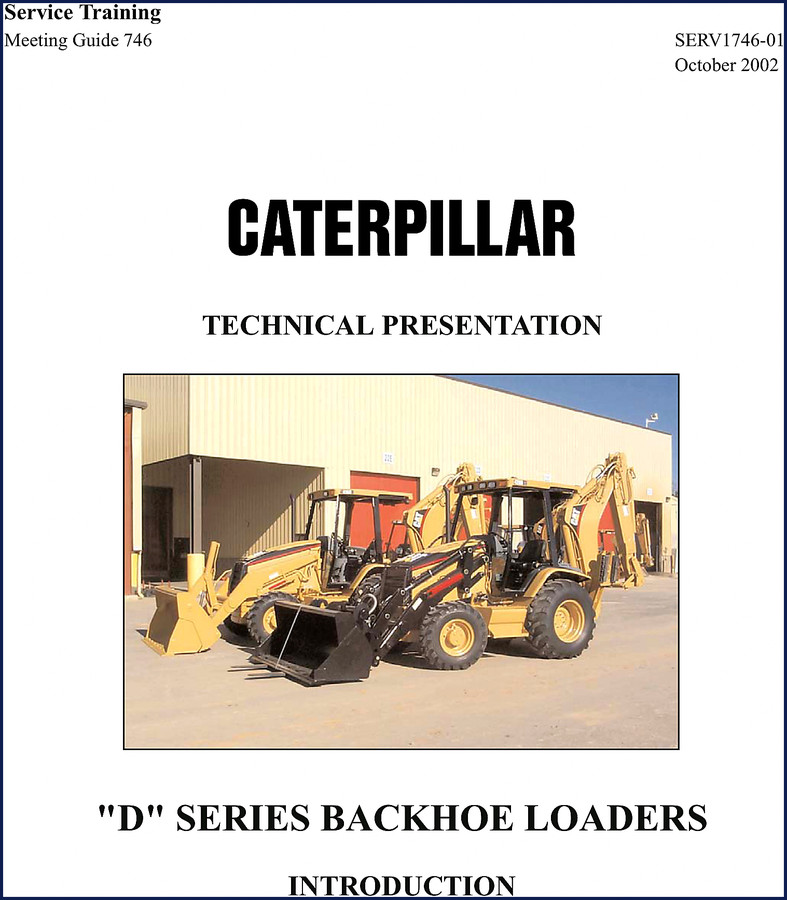
Caterpillar D 2002 Training Manual – Factory Specs for Backhoe Loaders
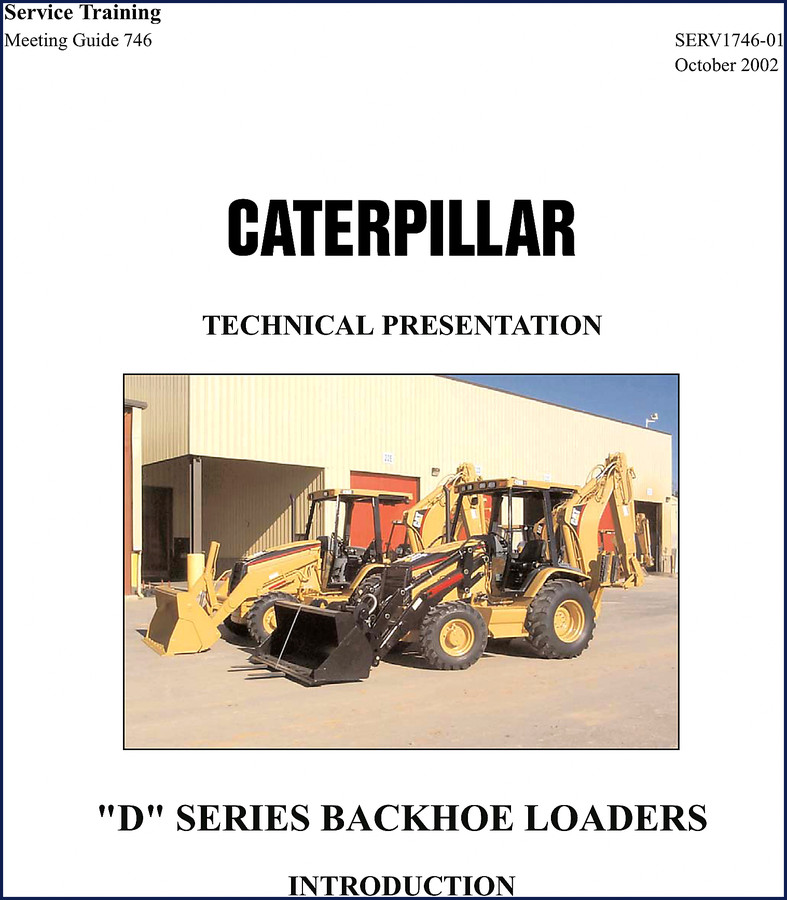
You’re looking at a Caterpillar D 2002 Training Manual for the D series backhoe loaders. I’ve been wrenching on these machines for years, and this is the factory training document that shows you how the systems work—not just how to take them apart. 136 pages of OEM content from Caterpillar, published in 2002. If you’ve been using aftermarket reprints that skip the torque specs and fluid routing, stop. This is the real deal.
Engine and Fuel System: Factory Procedures
Engine section starts on page 25 and dives into the fuel system on page 27. This isn’t a parts list—it’s a training manual that explains how the injector pump, lines, and filters interact under load. You’ll learn the correct sequence for bleeding air out of the fuel system when you’ve run the tank dry. That alone saves you a tow bill. No aftermarket manual I’ve seen covers the fuel system this way—they just show you a diagram and tell you to “replace the filter.” Caterpillar spells out the diagnostic steps for low fuel pressure and erratic idle before you touch a wrench.
Electrical System Diagnostics – Follow the OEM Path
Electrical section starts on page 34 and covers the starting and charging system. One of the objectives in this training manual is to “explain the operation of the starting and charging system.” That means you get the theory behind the alternator output, battery wiring, and starter solenoid logic. If you’ve ever chased a parasitic draw on a 420D, you know how valuable that understanding is. The manual also references the optional Machine Security System (MMS) on page 134—a common headache on rental fleets. For more background on Manual Transmission basics, check that resource.
136 Pages of System Coverage
You get the full powertrain breakdown: Standard Transmission (page 39), Autoshift Transmission (page 44), and Axles and Brakes (page 55). The steering and hydraulic section runs from page 62 to page 133—that’s over half the manual dedicated to hydraulics. It covers the steering and implement pump operation, loader valve groups, backhoe valve groups, and the All Wheel Steer system (AWS). The training manual was designed for Level II service personnel who already understand diagnostic equipment. Estimated study time is 8 hours, with 104 slides and 18 worksheets. That’s not a quick skim—it’s a deep dive.
What’s the Difference Between OEM and Aftermarket?
Aftermarket manuals often reprint faded copies of the service manual without the training context. This is a Caterpillar Technical Presentation—Meeting Guide 746, dated October 2002. It includes serviceman handouts and slide scripts that walk you through the system operation step by step. That means you learn why the oil flows a certain way, not just where the hoses connect. If you’ve ever been stuck because a reprint omitted the All Wheel Steer troubleshooting steps, you’ll appreciate having the original. For more training manuals on related machines, see Caterpillar 994F, 994D, 992G 2005 Training Manual Review and Caterpillar 307D 308D CR 308D CR SB 2008 Training Manual Review and Caterpillar 246C 256C 262C 272C 277C 2007 Training Manual.
Who Should Use This Manual?
If you’re a shop owner or a technician who wants to understand the D series before you start tearing into it, this is your starting point. The manual assumes you already know how to use diagnostic equipment—it’s not a beginner’s guide to wrenches. But if you’ve been frustrated by machines that come back with the same hydraulic issue because you guessed at the valve body adjustment, you need the training that came from the factory. Don’t skip the prerequisites listed on page 3: courses on mobile hydraulics and the previous C series training. They built this on solid fundamentals.
Frequently Asked Questions
- Does the manual include torque specs for engine head bolts?
- Page 25 covers engine torque specifications.
- What exactly will I learn from this 136-page document?
- The manual traces oil flow through the transmission and hydraulic systems, explains the starting and charging system, and includes service points for the engine, powertrain, and hydraulics. It’s designed for Level II service personnel who already understand diagnostics. The 136-page document is a training presentation with 104 slides and 18 worksheets. You won’t find step-by-step replacement instructions here—that’s the service manual’s job—but you will learn system operation and diagnostic procedures that keep you from throwing parts at a machine. The electrical section alone shows you how to trace starting circuit faults without a wiring diagram guess. That’s worth the price of admission.
Working on a D series backhoe loader without this training manual means you’re missing the factory’s logic behind every system. I’ve seen too many techs replace a hydraulic pump because they didn’t understand the load-sensing compensator—this manual shows you where the pressure drops happen and why. Download the Factory Manual and get the full presentation with slides and worksheets. Your diagnostic time will drop, and your repairs will stick the first time. For more on manual transmissions, see Manual Transmission for a different perspective.
Reviews
There are no reviews yet.