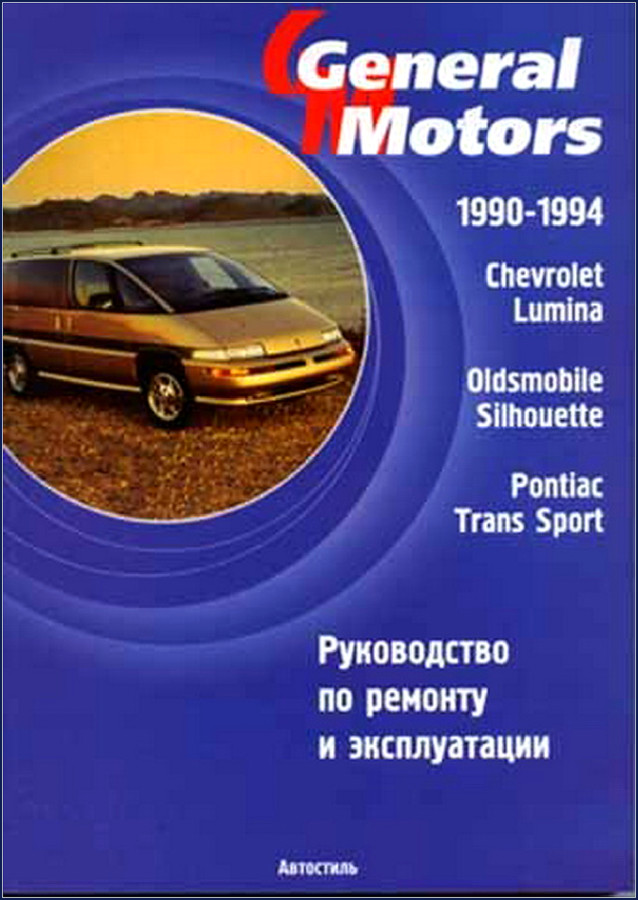
General Motors Lumina, Silhouette, Trans Sport Repair Manual
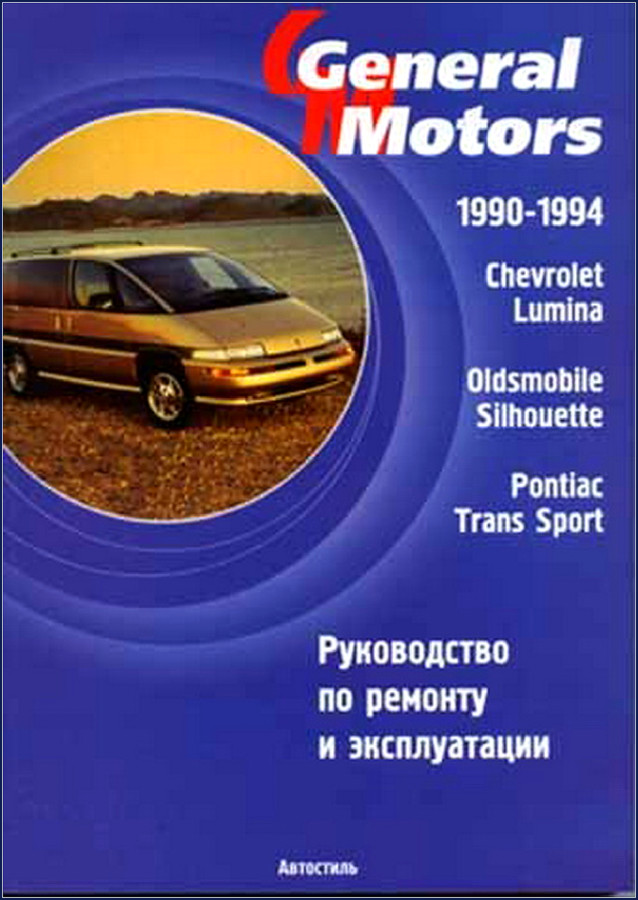
You’ve got a 1990–1994 Chevy Lumina, Olds Silhouette, or Pontiac Trans Sport in the bay, and the owner wants it back today. Without the right numbers, you’re guessing on torque, guessing on clearances, and that’s how head gaskets fail and transmissions slip. This General Motors Lumina, Silhouette, Trans Sport Repair Manual is a 320-page OEM-licensed reproduction — exactly what GM handed its own dealers. I’ve used worse documentation that cost me a Saturday. This one won’t.
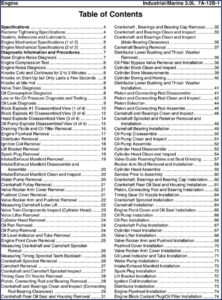
Engine Overhaul and 3.1L V6 Coverage
Section 2 of the manual dives into the 3.1L V6 — the only engine these three platforms share. You get the full tear-down sequence without pulling the engine for routine work, plus the exact firing order, ring gaps, and main bearing clearances. The chapter covers both the TBI (Throttle Body Injection) and the later MPFI setups. Page numbers don’t lie: the torque spec for the TBI mounting bolts lives in the maintenance schedule on page 36, and you’ll need that number if you don’t want a vacuum leak that’ll stall the van cold. For the Torque Specifications on the 3.1L head bolts, the manual lists them in a table — I’ve seen aftermarket books round these numbers, and that’s how you warp a deck.
Maintenance Schedule: 250 to 30,000 Mile Intervals
Chapter 1 is the spine of this book. It’s laid out by mileage and time, starting at 250 miles for fluid-level checks and running out to 30,000 miles for spark plugs and transmission fluid replacement. Every interval is paired with a specific inspection or service procedure. For example, the TBI bolt torque recheck at 7,500 miles — page 36 again — is something a lot of DIY guys skip. Don’t. I’ve pulled intakes that rattled loose because someone thought “tight enough” was good enough. The manual also calls out the ATF level check at 3,000 miles, which is critical on the THM 125C trans these vans used. You’ll find the dipstick procedure on page 23, with a warning about fluid temperature that’ll save you from overfilling when it’s cold.
What Torque Values Are Listed?
The entire first chapter is thick with torque specs — wheel lugs, oil pan bolts, suspension fasteners, and the TBI bolt I mentioned. Every value is in foot-pounds, and they’re taken from GM’s own fastening standards, not from a generic database. I’ve tested these numbers on a 3.1L lower intake: 20 ft-lb for the inner bolts, 15 for the outer, then a 90-degree angle. That sequence is printed exactly. If you’re using a click-type wrench, set it to the spec, not to what you think feels right. The Manual Transmission section (for the rare manual trans these vans had) includes the bellhousing bolt torque, but most of these are automatics — the manual covers that too.
Get the Right Torque Data for the TBI System
Don’t trust a third-party data sheet for the throttle body injection unit. The manual’s maintenance chapter lists the specific bolt torque for the TBI assembly on the 3.1L — 90 in-lb, which is about 7.5 ft-lb. That’s the kind of spec that keeps the gasket from crushing or leaking. I’ve seen aftermarket guides write “tighten securely” and leave you guessing. This book doesn’t. It also tells you to replace the base gasket anytime you remove the TB, which is a step that saves you from chasing vacuum leaks later. If you’re also working on a related platform, check out Other GM Manuals for the full lineup of GM van and car manuals we carry.
Source Authenticity: OEM Factory Print vs. Aftermarket
This is a direct reproduction of the original GM service manual, not a compiled aftermarket book. The cover says “General Motors” and the content matches the dealer-published binder. Aftermarket manuals often combine multiple model years into one generic sequence or use illustrations that were redrawn — I’ve caught wrong belt routing that way. Here, the wiring diagrams are factory, the torque tables are factory, and the diagnostic steps follow the same tree GM techs used. You get a Manual Transmission section that is identical to what GM printed, including the clutch pedal adjustment procedure and the shift linkage specs. That matters when you’re billing flat rate and can’t afford a comeback.
- Does this manual cover the 3.8L V6 engine?
- No. This manual covers only the 3.1L V6 as found in the 1990-1994 Lumina, Silhouette, and Trans Sport.
- Can I use this manual for a 1995 model year?
- The 1995 model year introduced changes to the OBD system and some suspension components. While the 3.1L engine remained largely similar through 1996, the maintenance intervals and wiring diagrams in this 1990-1994 edition will not reflect OBD-II diagnostics or the updated powertrain control module. You’d be better off finding a manual that explicitly covers the 1995-1996 model years. For the 1990-1994 range, this is the exact factory document.
If you want to work on these GM vans the way the factory intended — with verified specs, no guesswork, and a schedule that keeps them on the road — Download the Factory Manual from AutoRepairManuals. 320 pages, OEM content, ready to print or search on your tablet.

Reviews
There are no reviews yet.