Jeep Liberty, KJ Service Manual (2002-2007) – 2145 Pages of Factory Specs
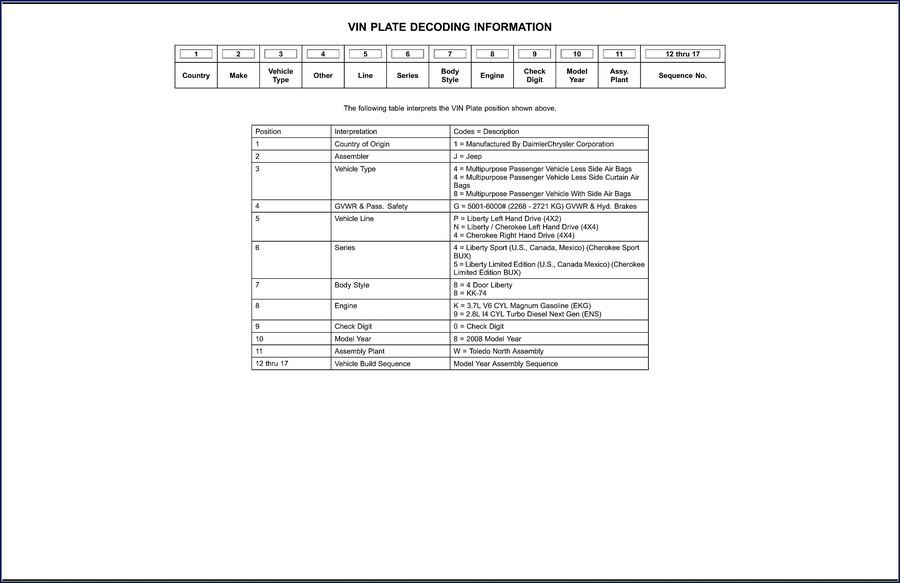
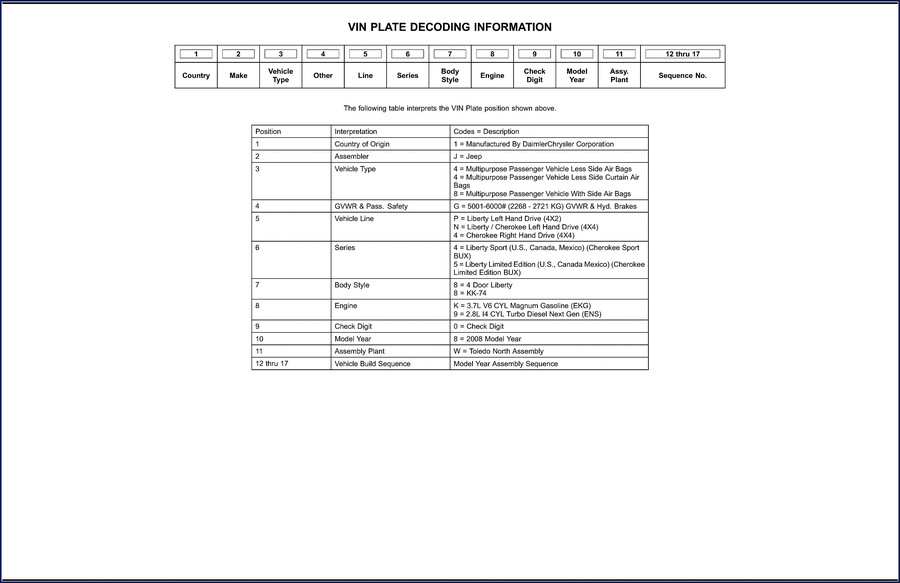
If you have ever been handed a third-party “service manual” that tells you to “tighten the bolt until it feels right,” then you know the kind of waste I am talking about. Jeep Liberty, KJ Service Manual from the factory is what you need to avoid stripped threads, blown head gaskets, and a pile of parts that used to be a running engine. I have been turning wrenches for 28 years, and I do not trust any document that wasn’t printed by the automaker themselves. This one is. 2145 pages of the actual data Jeep used on the assembly line.
Torque matters. Do not skip it.
Open the introduction section and you will find fastener identification for metric bolts, including torque values for each grade and material combination (see page 3 and page 7). That is the kind of detail you need when you are putting a cylinder head back on a 3.7L and you want it to stay sealed. Aftermarket manuals skip that. They copy-paste generic torque charts that might be for a completely different vehicle. Here, you get the exact TORQUE REFERENCES for cast iron and aluminum, with both N·m and ft-lb.
2145 Pages of Factory Data – What Is Inside?
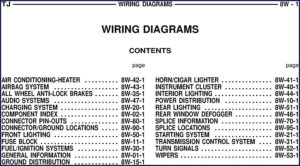
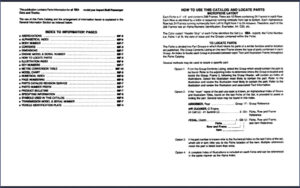
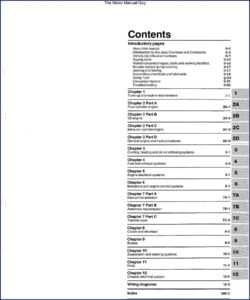
The table of contents reads like a shop’s work order: Lubrication & Maintenance, Suspension, Differential & Driveline, Brakes, Clutch, Cooling, and every electrical module from Audio to Wiper/Washers. Group 0 covers fluid types and capacities – SAE viscosity ratings, API classifications, gear lubricants, and the specific fill procedures. If you do not know what NV231 and NV242 transfer cases take, the manual tells you. It also includes two maintenance schedules: Schedule “B” and Schedule “A”. You do not have to guess whether your Liberty needs the severe-service interval. The wiring diagrams in Section 8W are the actual factory schematics, not redrawn by some graphics company that cannot tell a relay from a resistor. This one 2145-page document replaces a shelf full of aftermarket garbage.
What Torque Specifications Does This Manual Include?
You want torque values? Look at the front suspension torque chart on the page labeled TORQUE CHART under FRONT SUSPENSION. That is where you get numbers for control arm bolts, hub/bearing fasteners, and knuckle hardware. The same approach runs through the entire manual – every section that involves threaded fasteners has a specification table. The introduction gives you the general torque references for metric bolts (page 7) so you can cross-check any fastener not listed in a specific chapter. I have used these tables to torque intake manifolds, water pumps, and brake calipers. Never had a comeback.
Lubrication & Maintenance: Fluids, Capacities, and Procedures
Group 0 details fluid types for the engine (gas and diesel), automatic and manual transmissions, transfer cases, axles, power steering, and coolant. They tell you the correct SAE viscosity grade, API quality classification, and even the proper gear lubricant for the front and rear differentials. The fluid capacities specification table lists exact quantities. You also get jump starting and towing procedures – including two-wheel-drive and four-wheel-drive towing with front or rear end lifted. That matters when you have a broken Liberty on the side of I-10. The manual even includes the vehicle emission control information (VECI) label description on page 8.
Suspension: Diagnosis, Alignment, and Torque Charts
The suspension chapter covers diagnosis and testing of the suspension and steering system, wheel alignment including caster, camber, and toe adjustment specifications. It includes a ride height measurement procedure and special tools list. The front suspension section has removal and installation procedures for bushings, hub/bearing, knuckle, lower ball joint, lower control arm, and shock absorbers. Every removal and installation pair gives you torque values in the specification table. I have used this manual to do a complete front end rebuild on a 2005 Liberty and the alignment came out perfect first try.
3 Reasons to Choose OEM Over Aftermarket Documentation
First, the wiring diagrams (Section 8W) are the actual factory schematics – not redrawn by some graphics company that does not know a relay from a resistor. Second, the torque specifications are verified on the production line. Third, the repair procedures are written for the technician who is paid by the hour, not by the word. Every step is there because it is necessary. Aftermarket manuals often skip the safety warnings and torque requirements to save pages. This one does not.
You can read more about the broader context of automotive service documentation in the Automotive Industry Overview. For another perspective, see the Automotive Industry Overview for manufacturer resources. But for the Liberty, stick with the factory file.
FAQ
- Does this manual cover the 2005 Jeep Liberty CRD?
- Yes. The 2002-2007 range includes all engine options, including the 2.8L diesel.
- What torque values are listed?
- The manual contains torque references for metric bolts in the introduction (page 7) and individual torque charts in every major section – suspension, engine, brakes, driveline. For example, the front suspension torque chart lists values for control arm bolts, shock absorber mounts, and hub nuts. You get factory-specified numbers for cast iron and aluminum mating surfaces. This is not aftermarket generic data; it is the same table Jeep printed for dealer techs. Use it.
- Is the wiring diagram included?
- Yes. Section 8W covers all wiring diagrams for the KJ.
- How do I get the manual after purchase?
- Download the PDF instantly from your account.
I have used aftermarket manuals that had the wrong firing order for the 3.7L. I have seen torque specs that would snap a stud in half. You do not want that. If you are working on a Jeep Liberty (KJ) from 2002 to 2007, get the real thing. Download the Factory Manual today and keep it on your tablet in the shop. Your threads will last longer.
Related Manuals:


diy_master –
This is exactly what I was looking for. The document looks clean. It helped me to fix my Jeep Liberty transmission. Great value for money.