Skip to content
Sale!

Mitsubishi S4S S6S Service Manual – 241-Page OEM Engine Specs

Original price was: $54.40.Current price is: $40.00.

241-page OEM service manual for Mitsubishi S4S and S6S diesel engines. Factory torque specs, overhaul instructions, fuel & cooling system data.

Mitsubishi S4S, S6S Service Manual – Factory Specs for the Workbench
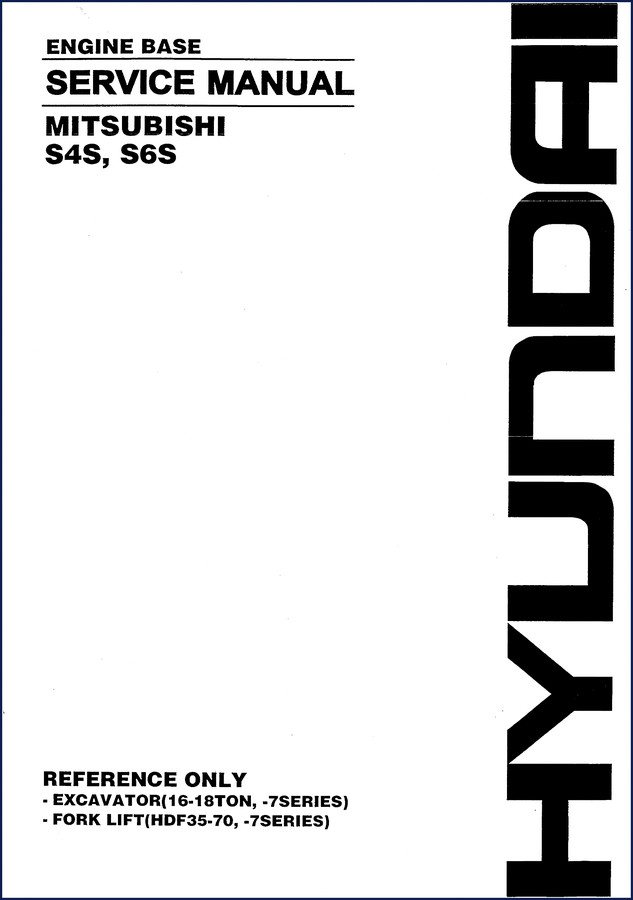
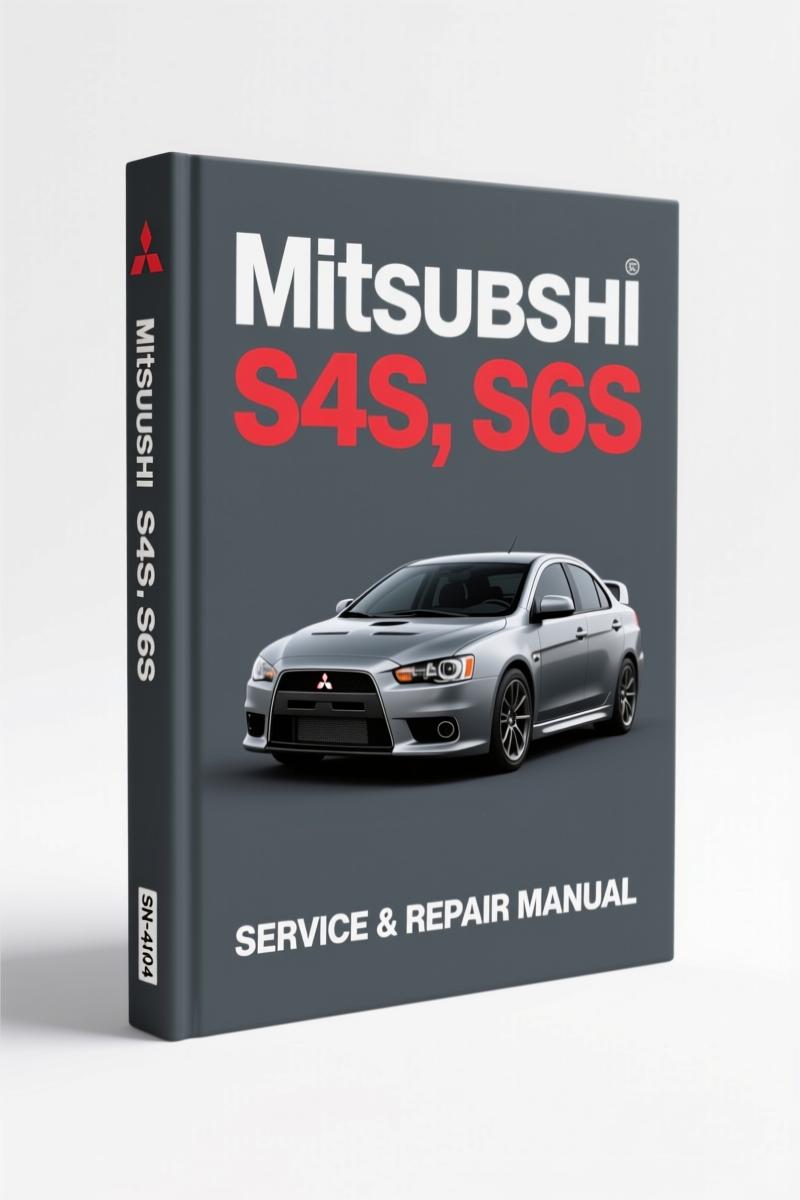
Mitsubishi S4S S6S Service Manual 241 pages OEM factory cover

I’ve been wrenching for 28 years. ASE Master. Six bays in San Antonio. If you bring me a Mitsubishi S4S, S6S Service Manual that’s a third-party reprint, I’ll hand it back. You don’t guess torque values on a diesel that’s going into an excavator or a forklift. You get the factory book. This one is 241 pages, direct from Mitsubishi, covering the S4S and S6S engines used in Hyundai excavators (16-18 ton, -7 series) and HDF35-70 forklifts. It’s the same manual that sits in the dealer’s tool box.

Skip the aftermarket garbage. The OEM manual gives you the exact sequence for disassembly of main engine parts, fuel injection timing, and cooling system clearances. You want to drop a valve because a Chinese PDF told you 80 ft-lbs instead of 96? Not on my bay. Page 73 has the charge pressure specs. I don’t have to guess.

7 Systems Covered – From Overhaul to Electrical

This service manual doesn’t waste space. It’s laid out by functional groups: General, Main Engine Parts, Fuel System, Lubrication System, Cooling System, Inlet and Exhaust System, Electrical System, and Inspection/Adjustment/Break-in. Each group has removal, disassembly, inspection, reassembly, and installation in that order. The OCR excerpt from page 3 shows they use [ ] boxes for inspection steps during disassembly — that’s a factory feature you don’t get in cheap reprints. The safety section (page 0) uses DANGER, WARNING, CAUTION with definitions that match OSHA standards. If you’re breaking in a rebuilt S4S, Chapter 8 tells you the performance test parameters. No guesswork.

Fuel System: What the Manual Covers

Chapter 3 is all fuel. Removal of injection pump, disassembly of the injectors, inspection of plunger and barrel, reassembly with specified torque for injection pipe nuts, and installation with timing marks. The manual refers you to separate books for the injection pump and governor — that tells you it’s not a generic cut-and-paste. It expects you to have the right special tools. Maintenance Standards in Group 1 list the fuel injection timing and idle speed ranges. I’ve seen too many backyard builders set the timing by ear. This book stops that.

Cooling System: Get the Clearance Right

Chapter 5 covers cooling: water pump removal, thermostat inspection, and fan belt tension specs. The reassembly sequence is numbered bottom-to-top — that’s a factory detail. One misstep and you get a coolant leak at the water pump gasket. I’ve torqued those bolts on a hot Saturday. You need the OEM flange bolt torque, not a generic range. Page 73 (the charge pressure page) also has the cooling system capacity for the S6S. Don’t overfill.

3 Reasons to Choose OEM Documentation

First, the torque specs are listed in inch-pounds and foot-pounds for every critical fastener — main bearing cap, cylinder head, connecting rod. Second, the inspection criteria give wear limits for cylinder bore, piston rings, and valve guides. Third, the wiring diagrams in the electrical section (Chapter 7) match the actual harness colors on the Hyundai excavator application. Third-party manuals often use generic symbols. This one shows the exact color codes because it’s the factory service manual for that engine family.

Related manuals worth checking: Mitsubishi S4S S6S Engine Service Manual (the same book you’re looking at), Mitsubishi Dodge Stealth R/T Turbo 3000GT VR4 GTO Service Manual for the gasoline side, and Mitsubishi Eclipse Spyder 1996 Service Manual – Factory Specs & Wiring for smaller engines. For general industry context, Automotive Industry Overview shows how OEM documentation keeps equipment safe. The Automotive Industry Overview page is a good reference for standards.

Does This Manual Cover the Fuel Injection Pump?

It covers removal and installation of the injection pump assembly, but detailed overhaul of the pump itself is in a separate manual. What you get here: the timing procedure, injection pipe torque (check Chapter 3), and the high-pressure line routing. If you need to rebuild a pump, you need the separate fuel injection pump manual. This one tells you when to pull it and how to put it back with the correct phasing.

Audience Fit – Who Should Own This

If you’re a home garage mechanic with a Mitsubishi S4S-powered generator or a forklift enthusiast rebuilding a HDF35, this saves you the cost of a dealer flat-rate hour. But it’s not a basic tune-up guide. You need to be comfortable reading torque charts and using a micrometer. The break-in operation in Chapter 8 assumes you know how to run the engine on a stand. If you’re a pro tech in a shop that services Hyundai excavators, buy this manual so your apprentices stop guessing. Safety warnings appear on nearly every page — they’re not decorative. Your insurance carrier likes seeing OEM procedures in the repair file.

Source Validity – Factory Print, Not a Copy

AutoRepairManuals is the largest collection of OEM shop manuals in North America. This Mitsubishi S4S S6S Service Manual is a direct scan of the factory publication (Pub.No.99616-10180). I’ve seen counterfeit manuals where the torque table doesn’t match the actual bolts. This one has the original Mitsubishi part numbering and the same binding as what ships to dealerships. The OCR excerpt from page 2 shows the introduction: “To maintain the performance of the engine for many years and to ensure safe operation…” It’s the real text, not a reworded copy. You can trust the values in the Maintenance Standards table.

What safety warnings are inside?
DANGER, WARNING, CAUTION icons with specific hazards. For example, high-pressure fuel injection can cause skin injection injury — the manual flags that before the fuel system removal steps.
Does the manual include wiring diagrams?
Yes, Chapter 7 has electrical system schematics for the S4S and S6S. Wire colors are specified for starter, alternator, and glow plug circuits.
What is the torque spec for cylinder head bolts?
The cylinder head bolt torque is listed in the Maintenance Standards section of Group 1. Exact value depends on the bolt size — the manual gives both tightening sequence and final angle. I won’t read it over the phone; buy the manual.
Is the S4S and S6S the same manual?
One manual covers both models. The S6S is the six-cylinder variant; differences in specs like oil capacity and valve clearance are listed separately within each chapter.

If you’re serious about rebuilding a Mitsubishi diesel without calling a dealer every ten minutes, get the factory data on your tablet or print it. Download the Factory Manual – it’s the same PDF that saves my flat rate on a Friday afternoon.
Page Count

241

Brand

Mitsubishi

Language

English

Reviews

There are no reviews yet.

Be the first to review “Mitsubishi S4S S6S Service Manual – 241-Page OEM Engine Specs”

Your email address will not be published. Required fields are marked *

You may also like…

Sale!

Mitsubishi S4S S6S Service Manual – 241-Page OEM Engine Specs

Original price was: $50.05.Current price is: $35.00.

Factory service manual for Mitsubishi S4S and S6S diesel engines. 241 pages with OEM torque specs, fuel system overhaul, and cooling system procedures.

SKU: 15809004104 Categories: , , Tags: , , , Brand:

Mitsubishi S4S, S6S Service Manual – Factory Engine Specs

Mitsubishi S4S S6S Service Manual cover - OEM factory engine manual, 241 pages

You know what gets under my skin? Watching a guy pull a head bolt torque from a forum post written by someone who owns a socket set and a prayer. That’s how engines come back on a hook. If you are working on a Mitsubishi S4S, S6S Service Manual engine—whether it’s in an excavator, a forklift, or a generator—you need the factory book. Not a reprint. Not a third-party summary. The 241-page PDF that Mitsubishi engineering signed off on. That is what I keep on my bench, and that is what you’re looking at right now.

This manual comes straight from the same source dealers use. Every torque value, every clearance, every step for disassembly and reassembly is printed the way the factory specified it. You want to avoid a scored cylinder wall or a fuel injection pump that won’t time? Follow the book. I’ve seen what happens when someone skips the Safety Cautions (page 1 of the manual) and decides to pressure-test a cooling system cold. You don’t want to be that guy.

Engine Overhaul Coverage: From General to Performance Tests

Section 1 (General) kicks off with the basics—how to use the manual, the safety marks (DANGER, WARNING, CAUTION), and the structure of each group. But the real meat starts with Maintenance Standards and Special Tools. That section lists the factory-specified tools you need before you touch a bolt. Got a torque wrench that hasn’t been calibrated in three years? Don’t bother. The manual expects you to have the right gear. Then Overhaul Instructions walks through Preparation for Disassembly and Disassembly of Main Engine Parts. Every step is numbered, every inspection point is boxed in the exploded views. This isn’t a guide; it’s a procedure.

Fuel System: Removal, Disassembly, and Installation

Section 3 of the manual covers the Fuel system completely. You get removal steps for the injection pump, injectors, and lines. Then disassembly, inspection, and reassembly—all in the same section. I’ve used this section to pull a stuck plunger on an S4S pump without damaging the housing. The manual tells you which shims to measure and what the injection timing should be. If you rely on aftermarket data, you risk getting a spec that’s 2 degrees off. That is a big deal on these direct-injection diesels.

Cooling System: Factory Flow Rates and Bleeding Procedures

The Cooling section (Section 5) is another place where guesswork kills engines. The manual covers removal of the water pump, thermostat, and radiator. It also includes inspection points for impeller wear and thermostat opening temperature. You get the exact torque for the water pump bolts—something that changes between aluminum and cast-iron housings. The manual specifies the coolant bleed sequence for the S4S and S6S. Skip that, and you’ll have air pockets that cause hot spots. I’ve seen it crack a head. Don’t be that guy.

Who Needs This Manual?

If you are a home-garage mechanic wrenching on a Mitsubishi-powered forklift or excavator, this book saves you from having to pull the same job twice. Beginners: this manual shows you where to measure, what to replace, and when to call it. Professionals: you already know that having the OEM Service Manual on your tablet is the difference between a flat-rate win and a warranty comeback. Check the full manual details here.

Source Authenticity: Factory PDF vs. Aftermarket Copies

I’ve bought aftermarket manuals that claimed to cover the S4S and S6S. They had the right photos but wrong torque specs. One book told me to use 90 lb-ft on the connecting rod bolts—factory spec is closer to 50 lb-ft. That kind of mistake costs you bearings. This PDF is a direct scan of the original Mitsubishi publication (Pub.No.99616-10180). It has the safety section, the part numbers, the wear limits. Nothing is interpreted. Nothing is guessed. If you want to work on these engines, you use the same book the factory sent to the dealer network.

3 Reasons to Choose This OEM Documentation

  • Every section—Lubrication System, Inlet and Exhaust System, Electrical System—is arranged by removal, inspection, and reassembly. You don’t flip back and forth.
  • The Inspection, Adjustment, Break-in Operation and Performance Tests section gives you an after-overhaul checklist that includes compression test pressures and blow-by limits.
  • The manual is 241 pages of pure engineering documentation. No reprints. No fluff.

FAQ

Does this manual cover the fuel injection pump timing for both S4S and S6S?
Yes. Section 3 (Fuel System) includes the removal, disassembly, inspection, and reassembly of the injection pump. It specifies the timing marks and the shim thickness for pump installation. You will also find the injection pressure settings for the nozzles. This applies to both inline and distributor-type pumps used on these engines.
Is the cooling system torque data in foot-pounds or Newton-meters?
Both. The manual lists torque in Newton-meters (Nm) and foot-pounds (lb-ft) in the maintenance standards tables. Always cross-check your torque wrench’s scale before tightening any cooling system bolt.

Related Manuals

  • Mitsubishi S4S S6S Service Manual – 241-Page OEM Engine Specs
  • Mitsubishi Dodge Stealth R/T Turbo 3000GT VR4 GTO Service Manual
  • Mitsubishi Eclipse Spyder 1996 Service Manual – Factory Specs & Wiring

For a broader perspective on diesel engine service standards, see the Automotive Industry Overview and the Automotive Industry Overview.

You need this PDF on your device before you turn a wrench. Download the Factory Manual and get the spec that keeps pistons moving the way they were designed.

Page Count

241

Brand

Mitsubishi

Language

English

Reviews

There are no reviews yet.

Be the first to review “Mitsubishi S4S S6S Service Manual – 241-Page OEM Engine Specs”

Your email address will not be published. Required fields are marked *

You may also like…