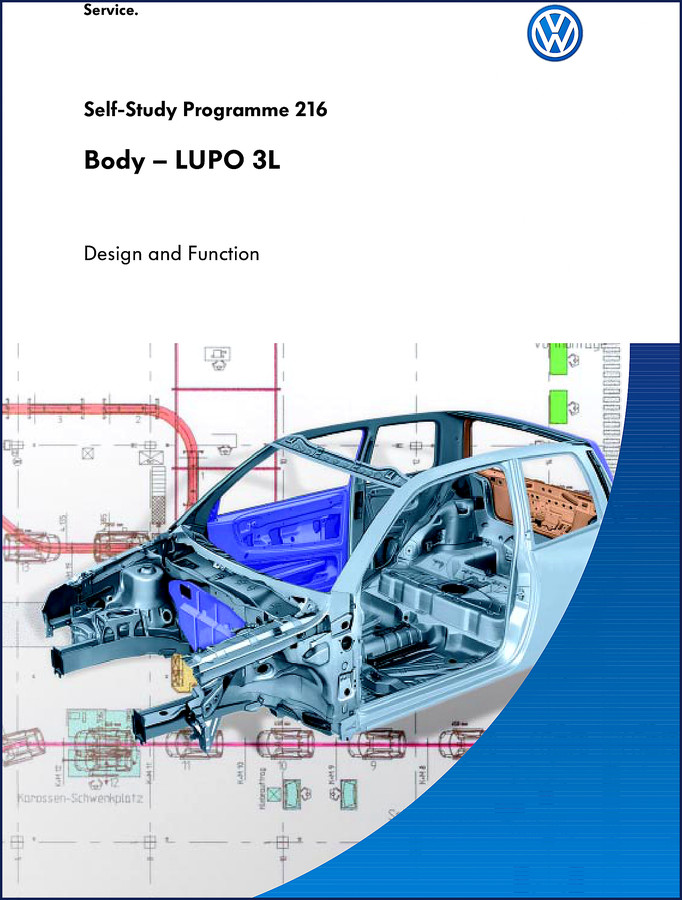
Volkswagen Lupo 3L Training Manual – What Every Tech Needs to Know
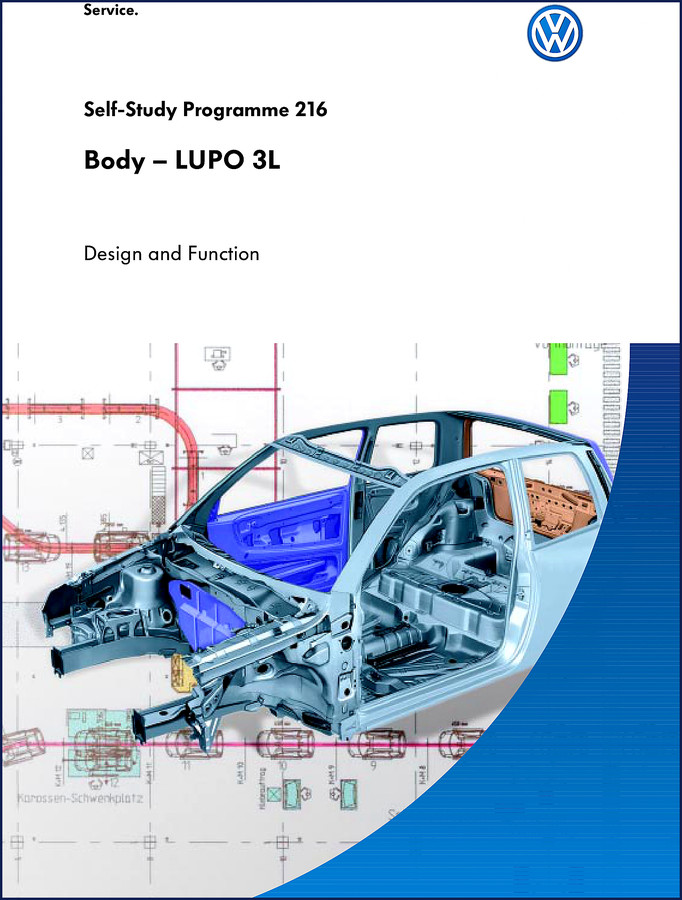
Look, I’ve seen guys rip a Lupo 3L apart and wonder why the door skin fell off. You don’t just grab a torch and start welding on this car. The Volkswagen Lupo 3L Training Manual is a 36-page document that tells you exactly how the factory put it together. It’s not a service manual – Volkswagen flat-out states that on page 2: “The Self-Study Programme is not a Workshop Manual.” But if you’re planning to repair body panels on a Lupo 3L, you need to know what you’re dealing with. Aluminum, magnesium, high-strength steel – and the joining methods that keep them from corroding each other. This Training Manual walks you through the lightweight materials (page 6) and the specific procedures for glazing and add-on parts. It’s the difference between a job that holds up and one that comes back leaking.
Body – a Lightweight: Design Philosophy and Materials
Start on page 4. Volkswagen didn’t just pick aluminum because it was light. They combined material savings with composite construction – mixing aluminum, magnesium, and high-strength steel in one body shell. The manual explains how they reduced material thickness without sacrificing crash integrity. If you’re used to pounding out steel panels, you’ll need to rethink your approach. These materials behave differently under stress, and the manual gives you the background to avoid warping or cracking.
Why Contact Corrosion Matters on the Lupo 3L
Page 12 is the one section I’d photocopy and tape to my toolbox. Contact corrosion between dissimilar metals is a real problem when you mix aluminum and magnesium with steel fasteners. Volkswagen engineered specific isolating layers and sealants to prevent galvanic action. Slap a steel bolt into an aluminum bracket without checking the manual, and you’ll be chasing corrosion leaks inside two years. This section spells out which materials contact each other and what coatings are required.
Joining Methods – Not Your Standard Weld
Starting on page 17, the manual covers how Volkswagen assembled the Lupo 3L body. Self-piercing rivets, clinching, adhesive bonding – these aren’t methods you see on a typical car. You need the right tooling and the correct sequence. The manual shows cross-sections of each joint so you can identify them during disassembly. It also warns against using standard MIG welds on certain panels because the heat can distort the thin-gauge aluminum.
Add-on Parts: Doors, Wings, Bumpers, and Tailgate
From page 23 through 26, the manual breaks down every add-on part. The doors are bolted using specific torque sequences – page 23 gives the locations. The wings (page 24) are made of synthetic material and require different fasteners. The tailgate (page 26) is a hybrid construction; the manual explains the hinge alignment procedure. If you’re replacing any of these parts, you’ll want the factory alignment specs to keep gap sizes correct. Aftermarket manuals often ignore these details – stick with OEM documentation.
Service Procedures on Page 30 – What You Should Know
Page 30 is labeled simply “Service.” It’s not a full repair guide, but it covers maintenance tasks like adjusting the bonnet catch and replacing door seals. It’s also where Volkswagen reminds you again that this training manual is complementary to the official workshop manual. For actual torque values on suspension or engine mounts, you’ll need the Volkswagen Bora Golf Passat Trailer Guide 2009 Service. For the full vehicle overview, grab the Volkswagen Lupo 3L Design and Function Self-Study Programme. And if you’re working on the powertrain, the Volkswagen 2.3-ltr. V5 Training Manual – OEM Factory Specs gives you the engine-side training.
Understanding the Lupo 3L’s body philosophy also relates to broader trends in lightweight design – check the Automotive Industry Overview for context. And while the Manual Transmission isn’t directly covered here, knowing where the weight savings are concentrated helps when you’re swapping clutches or supporting the drivetrain.
Test Your Knowledge – Page 34
The manual wraps up with ten questions on page 34. It’s a good way to check if you actually absorbed the material. I’ve seen experienced mechanics flunk questions on contact corrosion because they assumed aluminum was aluminum. Run through the test, then go back to the sections you missed. That’s how you learn this car properly.
- Is this a workshop manual with torque specs?
- No. It will not tell you to tighten the cylinder head to 65 ft·lb. It explains why the Lupo 3L body uses different metals and how they’re joined.
- Does it cover the fuel system or engine?
- Only the body structure and related service items like glazing and add-on parts. For engine or transmission specifications, you need the separate service literature. But if you ignore the body training, you can easily damage components by applying incorrect repair methods. For example, welding near magnesium trim without proper isolation can start a fire. This manual prevents that kind of mistake.
Before you lay a hand on a Lupo 3L, get the facts from the guys who designed it. Download the Factory Manual for the complete body training – it’s 36 pages of Volkswagen engineering that will save you from scrapping expensive aluminum panels.

Reviews
There are no reviews yet.