
Chevrolet Colorado 2015 User Manual

I’m Mike Callahan. I’ve been turning wrenches for 28 years, and I’ve seen more Colorado trucks come through my shop than I can count. If you own a Chevrolet Colorado 2015 User Manual, you already have the factory document that tells you how every system in that truck is supposed to work. This is not a Chilton or a Haynes. This is the 433-page original from General Motors. It covers the 2015 Colorado and nothing else. No fat, no guesswork. For an overview of the automotive industry standards that apply to this manual, see Automotive Industry Overview.
What This Manual Actually Covers
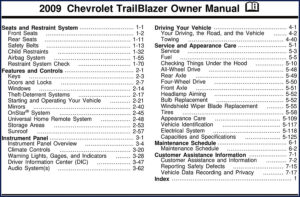
You get 433 pages organized into major sections. In Brief gives you the instrument panel layout and initial drive info – including remote keyless entry, seat adjustment, and the passenger sensing system. Keys, Doors, and Windows covers the tailgate, power locks, and the immobilizer. Seats and Restraints is 30 pages of head restraints, airbag system, and child restraint installation – with LATCH system details. Storage has the glove box, cupholders, underseat storage. Instruments and Controls covers the entire cluster – speedometer, tachometer, fuel gauge, warning lights like the Tire Pressure Light and StabiliTrak OFF light. It also includes the Driver Information Center (DIC) and vehicle personalization. Lighting, Infotainment System, Climate Controls, and Driving and Operating round it out. That last section is 50+ pages covering starting, automatic and manual transmission operation, drive systems, brakes, ride control (StabiliTrak, Traction Control), trailer towing limits, and fuel recommendations. You get the full list of warning lights and what each one means.
Safety Warnings: Why the Introduction Section Matters
Page 1 of the manual includes the Danger, Warning, and Caution symbols. If you skip that, you miss the part about proper lifting points, battery disconnect procedures, and airbag handling precautions. I’ve seen DIYers crack a frame rail because they jacked up the Colorado on the wrong spot. That’s a $2,000 mistake. This manual tells you the approved lift points. It also covers the immobilizer system and vehicle alarm – if you bypass that, you might trigger anti-theft and lock yourself out.
3 Critical Systems You Need to Understand
First, the Airbag System (page 3-16). It explains where the airbags are, when they inflate, how the passenger sensing system works, and what to do after a crash. Second, Traction Control and StabiliTrak (page 1-19). The manual shows you how the system intervenes, when to turn it off (off-road or stuck in mud), and what the warning lights mean. Third, Child Restraints (page 3-30). If you’re installing a car seat, you need the LATCH system location and weight limits. This manual gives you the official GM specs – not some generic aftermarket diagram that might be off by an inch.
Is a User Manual Enough for Repairs?
Depends what you call a repair. If you’re changing oil, rotating tires, replacing bulbs, or resetting the oil life monitor – yes, this manual covers that. It includes the Engine Oil Life System reset procedure, tire pressure monitoring system, and fuse box locations. If you’re pulling the transmission, you need the factory service manual for torque specs and disassembly steps. But for 80% of daily maintenance, this is the document you want on your tablet. It also tells you the correct automatic transmission fluid type and capacity, which many aftermarket sources get wrong. And if you’re towing a trailer, the Driving and Operating section gives you the weight limits and wiring instructions. That’s information you don’t want to guess. Manual Transmission – if you have the manual gearbox, the manual explains the clutch start safety system and shift pattern. Not something you want to learn from a forum post.
Get the Right Information for Your Colorado
This is a direct OEM reproduction, not a generic aftermarket reprint. I’ve seen aftermarket manuals get shift patterns wrong for the Colorado’s transmission. Don’t trust that. The original file is a clean PDF of the 2015 Chevrolet Colorado Owner Manual with all pages intact, including the index and warranty information. Every warning light description, every procedure for the infotainment system or the rear vision camera – it’s factory verified. You aren’t guessing whether the tire pressure light reset is a button hold or a menu dive. It’s right there.
- Does this manual include torque specifications for head bolts?
- No. This is the owner’s manual, not a service manual. It tells you how to operate and maintain the vehicle, not rebuild it. For actual torque specs, you need the factory service manual.
- What is the difference between this and the factory service manual?
- The factory service manual (FSM) covers disassembly, reassembly, torque values, diagnostics, and wiring diagrams. This owner’s manual covers operation, warning lights, infotainment, seat adjustments, towing limits, and routine maintenance like oil life reset. Both are OEM. If you’re doing basic maintenance, this is enough. If you’re pulling the engine, get the FSM. The FSM includes step-by-step procedures for removing the transmission, engine, and differentials, with exact torque specs in ft-lb for every fastener. The owner’s manual shows you how to check fluid levels, operate the 4WD system, reset the tire pressure monitor after a tire change, and understand each dash warning light – from the StabiliTrak light to the tire pressure light. For a DIYer doing oil changes, light bulbs, and tire rotations, the owner’s manual is essential. For a mechanic doing a head gasket job, it’s the wrong document. That’s why I recommend having both in your shop.
If you own a 2015 Colorado, get this document on your tablet or print it out. Download the Factory Manual now.


Reviews
There are no reviews yet.