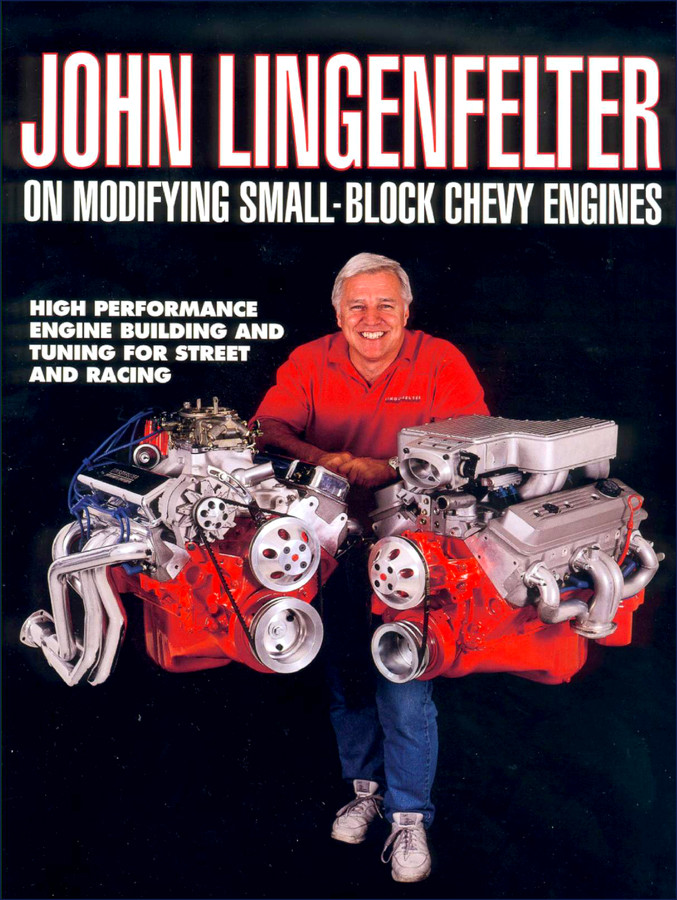
Chevrolet Small-Block Technical Manual – The Lingenfelter Book for Real Builds
You’re building a small-block Chevy and the aftermarket guide tells you to “tighten until snug.” That’s not a spec. That’s how head gaskets blow. This Chevrolet Small-Block Technical Manual by John Lingenfelter is 175 pages of actual engine-building data from a man who helicoptered a replacement block to the U.S. Nationals and won. If you want torque values, clearance specs, and dyno-proven combinations, you stop here.
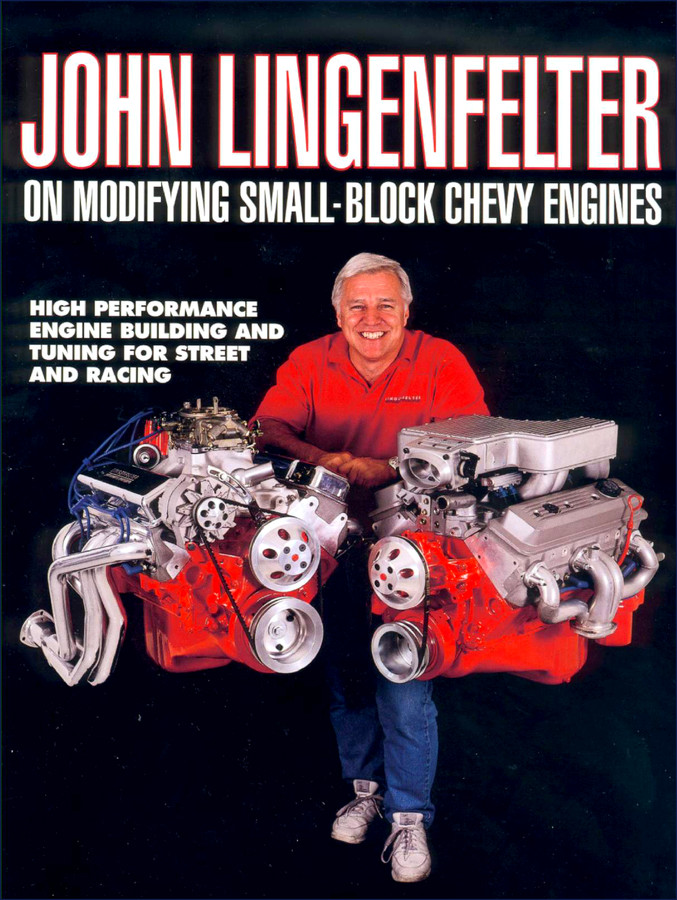
Cylinder Blocks – Factory Selection and Machining
Chapter 3 covers casting numbers, bore wall thickness, and what to look for when choosing a core. Lingenfelter tells you which blocks handle 500+ horsepower and which ones crack. Page 16 shows the factory deck height tolerances. Use them or waste a set of head gaskets.
Short-Block Machining: What the Manual Covers
Short-block machining is covered in Chapter 7. Line honing, bore finish, piston-to-wall clearances. The same process Lingenfelter used on his record-setting engines. You need the bearing clearance numbers from page 55. Skip them and you’ll spin a rod bearing before the first pull.
The manual doesn’t stop at short blocks. Chapter 11 on cylinder head machining covers port volume, valve seat angles, and spring pressures. Lingenfelter explains why a 45-degree seat works for most street builds but a multi-angle cut gains 10-15 hp on race engines. He gives specific cutter part numbers and corner radii. That level of detail separates this manual from any generic guide you’ll find online. Chapter 13 on valve train lists pushrod lengths, rocker ratios, and lifter preload. Set your geometry correctly without trial and error. If you’ve ever bent a pushrod because you guessed the length, you know why this matters.
Page 27 starts the crankshaft chapter.
Crankshafts and Bearings – Torque Values You Need
Crankshafts and bearings get their own chapter. Chapter 4 lists stroke options, journal sizes, and main bearing selection. The torque sequence for main cap bolts is step-by-step. You don’t guess. You torque in three steps to the value specified. Aftermarket manuals often leave out the sequence. This one doesn’t.
Does This Manual Cover EFI and Supercharging?
EFI and supercharging are addressed in Chapter 16. Electronic fuel injection and supercharger systems. Tuning for forced induction. Fuel pressure, injector sizing, ignition timing maps. Page 136 starts the section. If you’re adding a blower to a small-block, you want Lingenfelter’s data on air/fuel ratios and detonation limits.
3 Reasons to Trust This Manual Over Aftermarket Specs
Three reasons to trust this manual. First, John Lingenfelter’s engines won races. Second, every spec in this book comes from actual dyno tests – see Chapter 18. Third, the manual tells you when to use a torque angle gauge and when to use a beam wrench. Aftermarket PDFs from unknown sources don’t even mention lubricant on the threads. This manual does.
For a similar deep-dive on racing engines, check out Chevrolet Racing Engine by Bill Jenkins. If your Chevy truck or SUV needs a factory installation guide, grab the Chevrolet, GMC Silverado, Sierra, Avalanche 2003 Installation Manual or the Chevrolet TrailBlazer User Manual – 484 Pages of Factory Specs for diagnostic procedures.
General industry background can be found at Automotive Industry Overview and Automotive Industry Overview.
Engine Blueprinting and Dyno Tests
Blueprinting and dyno tests are covered in Chapter 17 and 18. Blueprinting means balancing rotating assembly to within 0.5 gram, checking ring end gaps, verifying deck clearance. Page 144 has the assembly order. Page 153 has actual dyno sheets from Lingenfelter’s builds. You see the power curves, not a guess.
- Does this manual include torque specs for stock small-blocks?
- Yes, but it focuses on performance builds, not stock rebuilds.
- How does this differ from a factory service manual?
- Factory service manuals cover repair and maintenance procedures for stock vehicles. This manual dives into blueprinting, balancing, choosing the right crankshaft, and modifying cylinder heads for higher output. It’s written by John Lingenfelter, a guy who set records. If you’re building a high-horsepower small-block for street or strip, you want his data, not the dealer’s oil change intervals. For stock rebuilds, you’re better off with the factory manual. But for performance, this is the book.
If you’re building a small-block Chevy, you need this book. Download the Factory Manual now.



Reviews
There are no reviews yet.